Container gardening is often a game of space management. However, planting in pots doesn’t mean your vegetables have to grow in isolation. Companion planting—the practice of growing different plants together for mutual benefit—is just as effective in a 5-gallon bucket as it is in a large backyard plot. By choosing the right “roommates,” you can naturally deter pests, improve soil health, and even enhance the flavor of your harvest.
Here are eight vegetable pairings that thrive when shared in the same container.
1. Tomatoes and Basil: The Classic Duo
This is perhaps the most famous pairing in the gardening world. Basil is thought to improve the flavor of tomatoes when grown nearby. More importantly, the strong scent of basil helps repel thrips and whiteflies, which often plague tomato plants.
- Why it works in pots: Tomatoes are heavy feeders that grow tall, while basil stays relatively low and bushy at the base, acting as a “living mulch” to keep the soil moist.
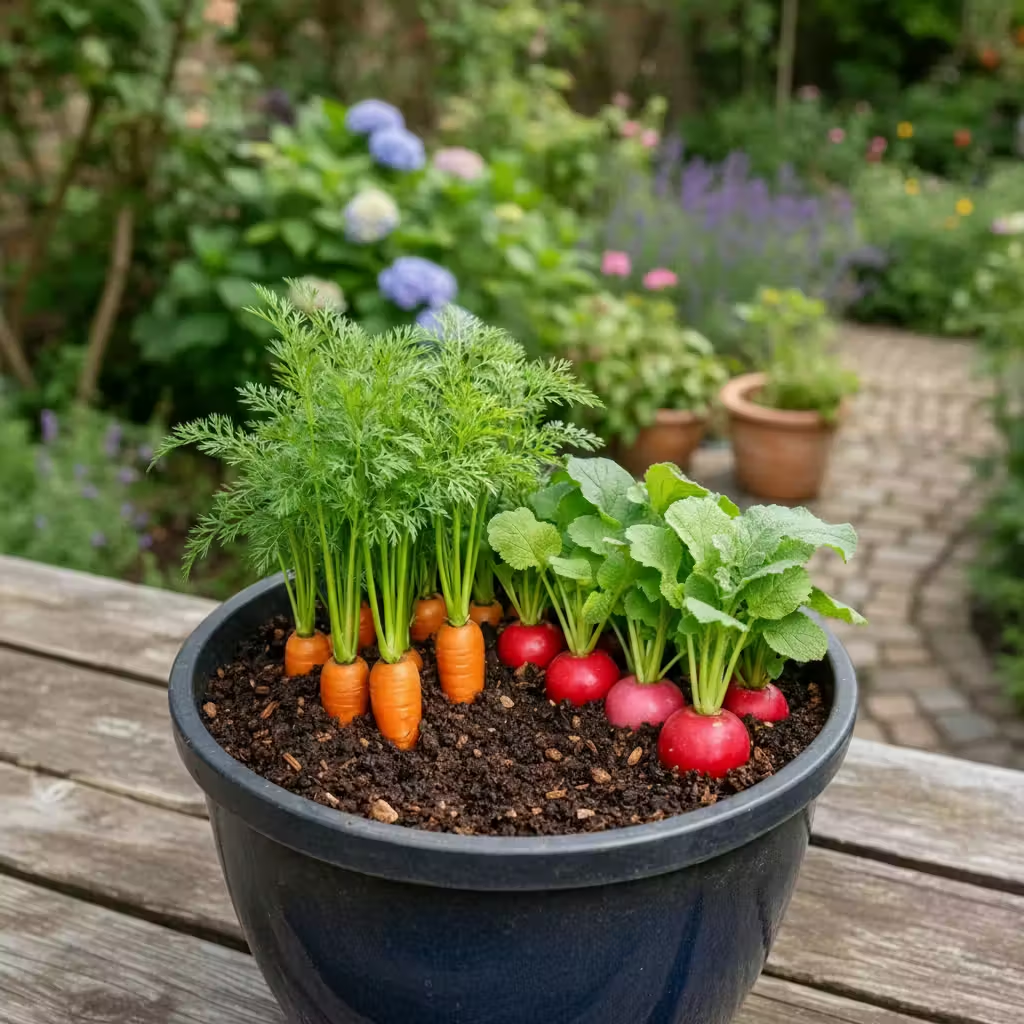
2. Carrots and Radishes: The Soil Breakers
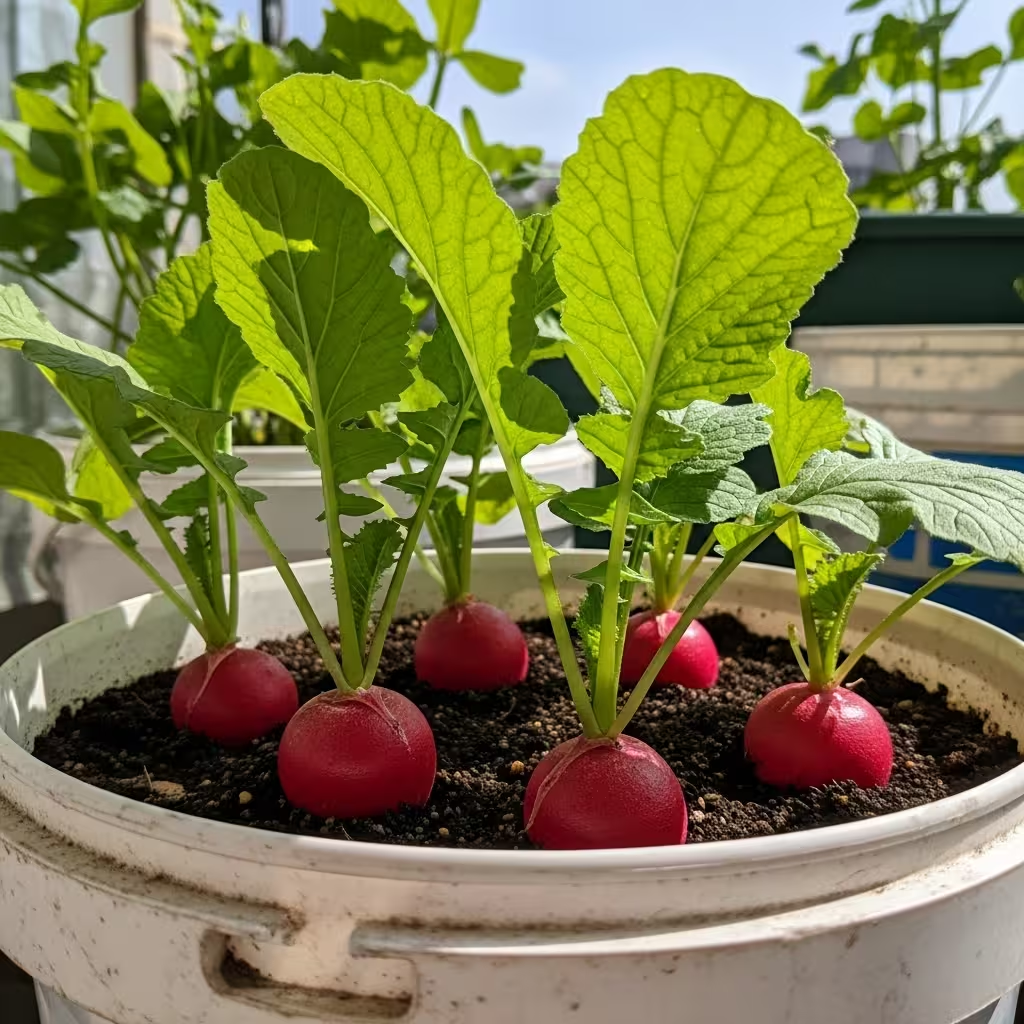
Radishes are the sprinters of the garden, often ready to harvest in just 25 days. Carrots, on the other hand, are slow and steady.
- The Secret: Radishes germinate quickly and break up heavy soil, making it easier for the delicate carrot seedlings to emerge. By the time the carrots need more room to expand, you’ve already harvested the radishes.
3. Peppers and Scallions: Pest Defense
Peppers often fall victim to aphids and spider mites. Scallions (green onions) emit a pungent odor that confuses and repels these pests.
- Space Saver: Because scallions have narrow, upright growth and shallow roots, they can be tucked into the corners of a pepper pot without competing for the deep root space the pepper plant requires.
4. Lettuce and Peas: The Shade Seekers
Lettuce is a cool-weather crop that tends to “bolt” (turn bitter and go to seed) as soon as the summer heat hits.
- The Benefit: Peas are climbers. By growing peas on a trellis in the center of a pot, you create a canopy of natural shade for the lettuce growing at the base. This can extend your lettuce harvest by several weeks.
5. Broccoli and Onions: The Scent Mask
Broccoli belongs to the brassica family, which attracts the notorious cabbage looper moth. Onions are excellent companions because their strong smell masks the scent of the broccoli, making it much harder for pests to find their target.
- Nutrient Tip: Onions have very different nutrient needs than broccoli, meaning they won’t “fight” over the same minerals in the potting mix.
6. Eggplant and Beans: The Nitrogen Boost
Eggplants are “heavy feeders” that require a lot of nitrogen to produce their purple fruit. Beans (especially bush varieties) are nitrogen-fixers, meaning they pull nitrogen from the air and deposit it into the soil through their roots.
- Synergy: The beans feed the eggplant, and the large leaves of the eggplant provide a bit of wind protection for the bean blossoms.
7. Cucumber and Dill: The Pollinator Magnet
Cucumbers rely heavily on bees and other pollinators to produce fruit. Dill is one of the best herbs for attracting predatory wasps and pollinators to your balcony or patio.
- Healthy Vines: Dill also helps deter cucumber beetles, which can spread wilt disease to your vines.
8. Spinach and Swiss Chard: The Leafy Layers
If you want a “salad bowl” pot that produces all season, pair spinach with Swiss chard.
- The Transition: Spinach thrives in the early spring but fades in the heat. Swiss chard is much more heat-tolerant. As the spinach is harvested and finishes its cycle, the chard will grow larger to fill the container, providing a continuous supply of greens from spring through autumn.
Three Tips for Success in Combined Pots
- Size Matters: Use a container at least 12 to 18 inches deep for these pairings to ensure root systems aren’t over-stressed.
- Feeding Schedule: Because you are growing two crops in one space, the soil will deplete faster. Use a liquid organic fertilizer every 2–3 weeks during the peak growing season.
- Watering: Grouping plants means more leaves losing water through transpiration. Check the soil daily; if the top inch is dry, it’s time to water.