That moment when you realize you’re spending $20+ monthly on garlic could be your gardening wake-up call. What if that same money, invested once, could generate years of superior homegrown garlic that actually tastes like something?
Growing garlic isn’t just about saving money—it’s about accessing flavors and varieties impossible to find in stores, while creating a sustainable food system that literally grows itself year after year.
Why Homegrown Garlic Changes Everything
Flavor Revolution
Store-bought garlic travels thousands of miles and sits in warehouses for months, losing essential oils and developing that flat, one-dimensional taste. Freshly harvested garlic delivers complex, nuanced flavors that transform ordinary cooking into culinary art.
Variety Explosion
Grocery stores typically offer one generic variety. Home gardeners access dozens of unique cultivars:
- Music: Robust flavor, excellent storage
- German Extra Hardy: Intense heat, cold-climate champion
- Inchelium Red: Mild, sweet, beautiful pink-striped bulbs
- Purple Stripe varieties: Complex flavors with wine-like notes
Economic Independence
Investment Analysis:
- Initial organic seed garlic: $15-25
- Yearly harvest from single purchase: 50-100+ bulbs
- Store equivalent value: $200-400 annually
- Return on investment: 800-1600% in year one alone
Understanding Garlic Biology for Success
The Two-Season Cycle
Garlic requires vernalization—cold weather exposure that triggers bulb formation. This biological requirement shapes everything about successful garlic cultivation.
Fall Planting Strategy: Plant cloves 4-6 weeks before ground freezes. Roots develop through winter while shoots remain dormant until spring warmth triggers growth.
Spring Development: Emerging shoots photosynthesize to fuel bulb development. Longer days signal the plant to stop producing leaves and focus energy on bulb formation.
Hardneck vs. Softneck Selection
Hardneck Varieties (Allium sativum ophioscorodon):
- Require cold winter temperatures (below 40°F for 10+ weeks)
- Produce scapes—edible flower stalks that must be removed
- Generally stronger, more complex flavors
- Better storage in humid climates
- Ideal for northern regions
Softneck Varieties (Allium sativum sativum):
- Minimal cold requirements, suitable for mild winter areas
- No scape production, focusing energy on bulb development
- Longer shelf life when properly cured
- More cloves per bulb typically
- Perfect for southern and coastal regions
Strategic Growing Approaches
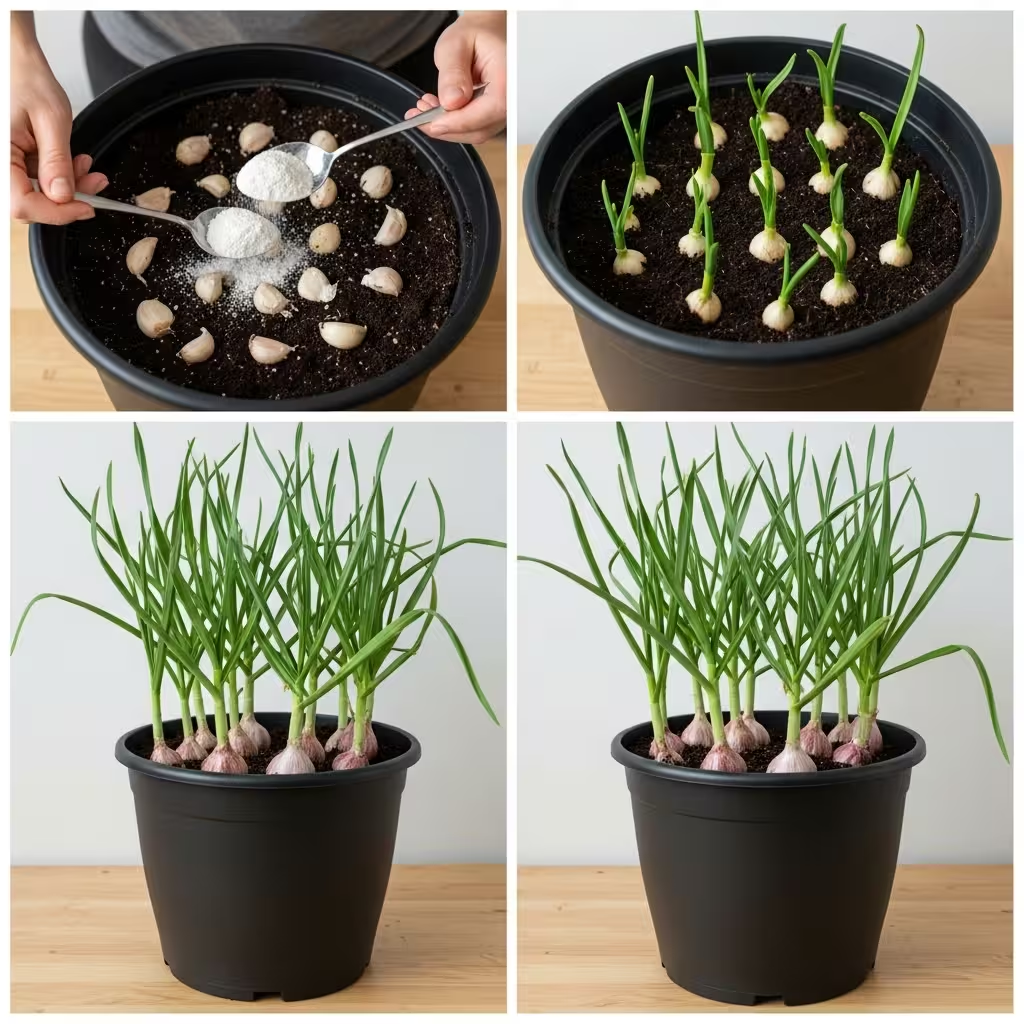
Container Cultivation Mastery
Perfect for renters, urban gardeners, or those with challenging soil conditions.
Container Requirements:
- Minimum 10-inch depth, 12+ inches preferred
- Excellent drainage with multiple holes
- 6-8 inch diameter per clove minimum spacing
Soil Mix Formula:
- 50% quality potting soil
- 25% compost
- 25% perlite or coarse sand for drainage
Placement Strategy: Position containers where they’ll receive natural winter chilling. Unheated garages, covered porches, or outdoor locations work perfectly.
Garden Bed Optimization
Transform any sunny location into garlic-producing real estate.
Soil Preparation: Work compost 6-8 inches deep to improve structure and fertility. Garlic performs best in loose, well-draining soil with pH 6.0-7.0.
Planting Pattern: Space cloves in grid pattern—4 inches apart in rows 6 inches apart. This maximizes yield while ensuring adequate air circulation.
Succession Planning: Dedicate permanent garden space to garlic rotation. While current season’s crop matures, prepare adjacent areas for next season’s planting.
Advanced Cultivation Techniques
Seed Stock Selection
Choose planting material with the same care wine makers select grapes. Quality determines everything about your future harvests.
Source Priorities:
- Locally adapted varieties from regional growers
- Certified organic seed garlic suppliers
- Fellow gardeners with proven success
Clove Evaluation: Select only the largest, firmest cloves from the best bulbs. These genetic champions produce superior offspring with improved characteristics.
Microclimate Management
Create optimal growing conditions regardless of your starting environment.
Mulch Strategy: Apply 4-inch layer of straw or shredded leaves after planting. This moderates soil temperature, conserves moisture, and suppresses weeds without chemicals.
Water Management: Deep, infrequent watering encourages strong root development. Reduce irrigation frequency as harvest approaches to prevent bulb rot and improve storage quality.
Scape Harvesting Bonus
Hardneck varieties produce edible flower stalks called scapes in late spring.
Timing: Remove scapes when they make one full curl but before flowers open Culinary Use: Mild garlic flavor perfect for stir-fries, pestos, and soups Plant Benefit: Removing scapes redirects energy to bulb development
Harvest and Curing Excellence
Perfect Timing Recognition
Harvest timing dramatically impacts bulb size, flavor, and storage life.
Visual Indicators:
- Bottom 2-3 leaves brown and dry
- Top 5-6 leaves remain green
- Bulb wrappers intact but papery
Test Method: Carefully excavate one bulb to check development. Properly formed bulbs show distinct clove separation within protective wrappers.
Professional Curing Process
Transform fresh garlic into long-storage treasure through proper post-harvest handling.
Immediate Steps:
- Gently brush off soil—never wash fresh garlic
- Leave roots and tops attached initially
- Handle carefully to prevent bruising
Curing Environment:
- Temperature: 80-85°F
- Humidity: 60-70%
- Air circulation: Critical for preventing mold
- Light: Indirect, avoiding direct sun
Timeline: 2-4 weeks depending on variety and conditions
Storage Optimization
Properly cured garlic stores 6-10 months under ideal conditions.
Storage Requirements:
- Temperature: 60-65°F
- Humidity: 50-60%
- Air circulation: Moderate
- Containers: Mesh bags, braided bundles, or ventilated boxes
Perpetual Production System
Seed Stock Management
Maintain genetic diversity and quality through strategic seed saving.
Selection Criteria:
- Choose bulbs from most productive plants
- Prioritize disease-free specimens
- Save 20-30% more than needed for next season’s planting
Genetic Improvement: Over successive seasons, your garlic adapts to local conditions while you select for preferred characteristics like size, flavor, and storage life.
Continuous Harvest Strategy
Stagger plantings and varieties to extend harvest season and ensure year-round supply.
Timing Variations:
- Plant different varieties 2-3 weeks apart
- Include both early and late-maturing cultivars
- Experiment with spring plantings for different harvest windows
Troubleshooting Common Challenges
Size Disappointments
Cause: Usually overcrowding, poor nutrition, or inadequate cold exposure Solution: Increase spacing, improve soil fertility, ensure proper vernalization
Storage Failures
Cause: Inadequate curing, damaged bulbs, or poor storage conditions Solution: Perfect curing process, handle gently, optimize storage environment
Disease Issues
Cause: Poor drainage, contaminated soil, or infected planting stock Solution: Improve drainage, rotate planting areas, source clean seed stock
Year-Round Garlic Benefits
Green Garlic Production
Don’t wait for full bulb maturity—harvest young plants for immediate use.
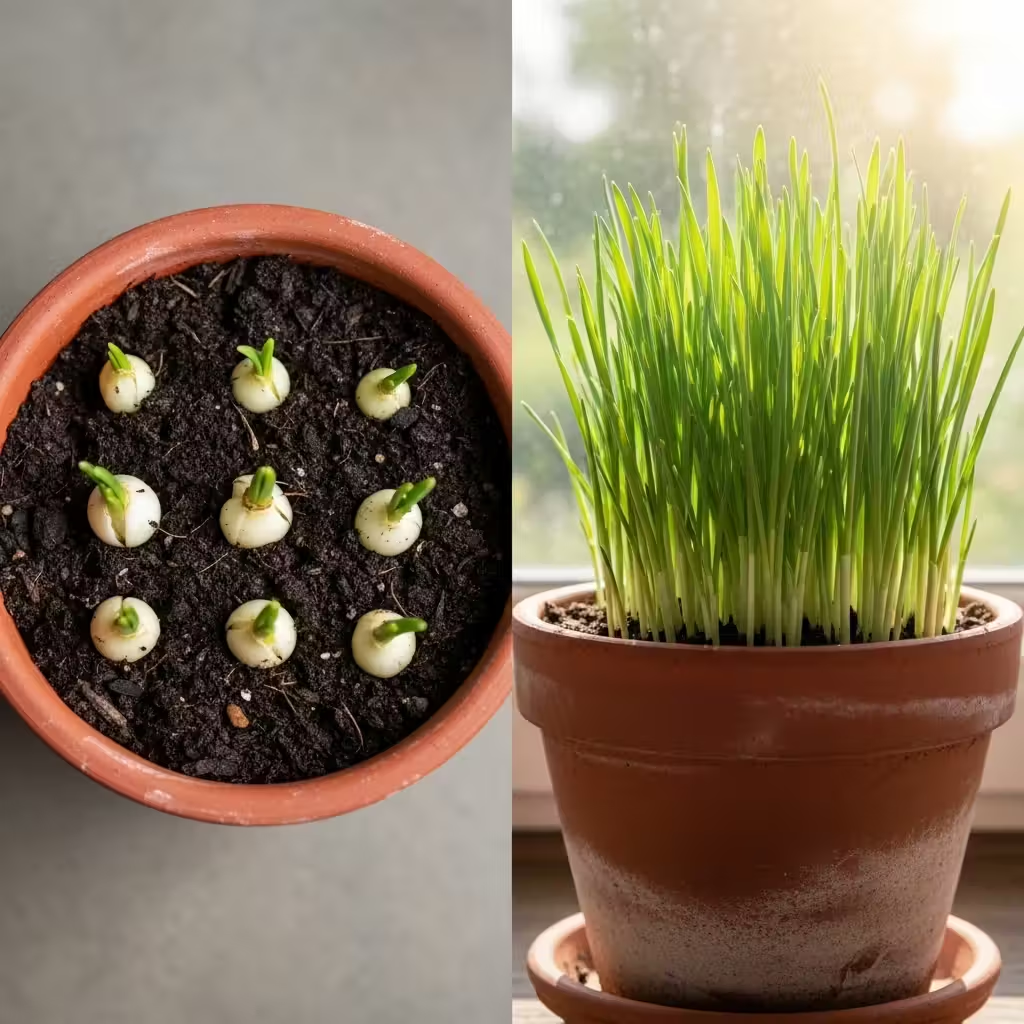
Spring Harvest: Pull every 5th plant for tender green garlic Continuous Production: Plant cloves monthly indoors for ongoing green shoots Culinary Applications: Use entire plant from bulb to green tops
Value-Added Products
Transform harvests into specialty items that multiply your investment.
Garlic Powder: Dehydrate and grind excess bulbs Flavored Oils: Infuse oils with garlic for gourmet cooking Pickled Garlic: Preserve scapes and small bulbs for extended use
The Self-Sufficiency Timeline
Year One: Foundation Building
- Initial investment in quality seed stock
- Learning optimal growing conditions
- Establishing curing and storage systems
Year Two: Expansion Phase
- Plant saved seed from first harvest
- Experiment with new varieties
- Fine-tune techniques based on results
Year Three and Beyond: True Independence
- Sufficient seed stock for full garden
- Surplus for sharing or selling
- Mastery of entire production cycle
Your garlic growing journey transforms from simple cost savings into food security, culinary adventure, and deep satisfaction from true self-sufficiency. Start with quality seed stock, follow proven techniques, and prepare to never buy inferior store garlic again.