This extraordinary Blueberry Lemon Dutch Baby Pancake recipe represents the pinnacle of weekend breakfast innovation and skillet-baking artistry, masterfully combining the light, custardy perfection of German pancake batter with the bright, fruity abundance of blueberries and lemon through innovative oven-puff methodology that creates an exceptional brunch experience celebrating both traditional German heritage and contemporary American breakfast culture. The genius of this remarkable creation lies in its sophisticated understanding of steam leavening, strategic high-heat technique, and balanced sweet-tart integration, where simple pantry ingredients meet restaurant-quality drama within a harmonious composition that delivers bakery-inspired results through accessible cast-iron methods, embodying both classic European pancake traditions and modern Instagram-worthy innovation in every perfectly crispy-edged, cloud-like-centered, satisfaction-defining wedge that transforms basic ingredients into extraordinary special-occasion breakfast experiences.
The Art of Oven-Puffed Pancake Construction and Cast-Iron Dutch Baby Mastery
Blueberry Lemon Dutch Baby Pancake represents the evolution of traditional German Pfannkuchen cuisine, where classic popover methodology meets innovative fruit-swirl presentation to create brunch masterpieces that celebrate the fundamental principles of proper steam expansion while delivering the beloved flavors and impressive visual drama that define exceptional Dutch baby excellence. Born from the desire to create show-stopping breakfasts through strategic high-temperature baking, expert blender-batter methodology, and the transformative power of the egg-butter-fruit trinity, this recipe embodies the philosophy of “accessible dramatic elegance” – where beloved traditional oven pancakes are enhanced through fruit-jam marbling and thoughtful citrus brightness that honor both classic German pancake heritage and contemporary brunch-table requirements. The pancake’s transformation from liquid batter to towering golden dome demonstrates how proper understanding of protein network formation, rapid heat application, and optimal skillet preparation can create consistently extraordinary results that satisfy both traditional Dutch baby enthusiasts and modern brunch-host connoisseurs.
Understanding the Science of Rapid Steam Leavening and Cast-Iron Heat Retention Mastery
The success of this Blueberry Lemon Dutch Baby Pancake recipe lies in the masterful orchestration of moisture vaporization, protein coagulation, and butter-fat browning that creates optimal rise-and-crisp texture while maintaining custardy center and achieving perfect sweet-citrus harmony throughout the preparation process. The strategic blender mixing provides essential smooth batter and superior air incorporation, where high-speed blending eliminates flour lumps, creates uniform emulsion preventing separation, and incorporates initial air creating light character defining exceptional Dutch baby structure. The carefully executed cast-iron preheating ensures optimal immediate sizzle and prevents sticking that creates rather than compromises dramatic rise, while the expertly balanced lemon zest-blueberry jam combination provides bright citrus oils and sweet-tart swirl that elevates the entire pancake experience to European-café sophistication and weekend-brunch perfection.
Ingredients (Makes One 10-12 Inch Dutch Baby, 4-6 Servings)
Premium Butter and Egg Foundation:
- 4 tablespoons (57 g) salted butter, divided (2 tablespoons for batter, 2 tablespoons for skillet), for rich flavor and crispy edges
- 4 large eggs, room temperature (critical for proper rise), for structure and custard texture
Essential Liquid and Flour Base:
- ⅔ cup (160 ml) whole milk, room temperature (essential—cold milk inhibits rise), for tender crumb and moisture
- ⅔ cup (83 g) all-purpose flour for structure and support
- ½ teaspoon (3 g) kosher salt for flavor enhancement and gluten strengthening
Critical Flavoring Components:
- 1 tablespoon (15 ml) pure vanilla extract for aromatic depth and sweet character
- 2-3 teaspoons (4-6 g) fresh lemon zest (from 1-2 lemons, finely grated) for bright citrus oil and aromatic punch
- 2-3 tablespoons (40-60 g) blueberry jam (quality seedless preferred) for sweet-tart swirl and color
- ¼ cup (35 g) fresh or frozen blueberries (if frozen, do not thaw) for fruit jewels and burst flavor
Optional Topping and Service Elements:
- Additional butter pats for topping hot pancake
- Pure maple syrup for drizzling
- Powdered sugar for dusting
- Fresh lemon juice for extra brightness
- Whipped cream for decadence
- Additional fresh blueberries for garnish
- Lemon curd for serving alongside
Essential Equipment Requirements:
- 10-12 inch cast iron skillet (oven-safe—critical) for proper heat retention and dramatic rise
- High-speed blender for smooth batter
- Microplane or fine grater for lemon zest
- Measuring cups and spoons for accuracy
- Pot holders for safe skillet handling
- Serving platter (optional) or serve from skillet
Instructions
Strategic Oven Preheating and Temperature Achievement:
Position oven rack in center position and preheat oven to 450°F (230°C)—this very high temperature is absolutely critical for dramatic Dutch baby rise and cannot be reduced without compromising results. Allow oven to preheat fully for minimum 15-20 minutes ensuring complete heat saturation—inadequate preheating prevents proper puff. High heat creates rapid steam generation causing spectacular rise defining Dutch baby character.
Professional Blender Batter Assembly and Smooth Emulsion:
Melt 2 tablespoons salted butter in microwave or small saucepan until liquefying completely into clear golden liquid. Allow melted butter to cool slightly (1-2 minutes) so it doesn’t scramble eggs. In blender jar, combine 4 room temperature eggs, ⅔ cup room temperature whole milk, ⅔ cup all-purpose flour, ½ teaspoon kosher salt, 1 tablespoon vanilla extract, and 2 tablespoons melted cooled butter. Secure blender lid. Blend on high speed for exactly 60 seconds (1 minute) without stopping until batter becomes completely smooth, uniform pale-yellow color, and flowing consistency with no visible flour lumps or separation—properly blended batter should appear thin like heavy cream and coat blender walls smoothly when poured. Stop blender.
Expert Lemon Zest and Blueberry Jam Integration:
Add 2-3 teaspoons freshly grated lemon zest to smooth blended batter in blender jar. Pulse blender 2-3 times just to distribute zest without over-blending which can make batter bitter. Pour batter from blender into medium bowl or large measuring cup with spout for easier pouring. Add 2-3 tablespoons blueberry jam to batter. Using knife or chopstick, swirl jam through batter in figure-eight or zigzag pattern creating marble effect—do NOT fully mix jam into batter; visible purple streaks create beautiful marbled appearance in finished pancake. Set prepared marbled batter aside while preparing skillet—batter can sit up to 30 minutes at room temperature if needed.
Critical Cast-Iron Skillet Preheating and Berry Preparation:
Place 10-12 inch cast iron skillet (must be oven-safe with no plastic handles) in preheated 450°F oven and heat empty skillet for 3-5 minutes until becoming very hot—preheating skillet is essential for immediate sizzle when batter is added. Remove hot skillet from oven using oven mitts (handle will be extremely hot). Place hot skillet on stovetop over medium heat. Add remaining 2 tablespoons salted butter to hot skillet—butter should sizzle and melt immediately upon contact. Swirl pan to coat bottom evenly with melting butter. Add ¼ cup blueberries (fresh or frozen, unthawed) to melted butter in hot skillet. Allow berries to cook undisturbed for approximately 3 minutes, swirling pan occasionally, until butter begins browning slightly around berries and berries start releasing juices—properly cooked berries should show slight softening and darker butter around edges. Butter may foam and brown which adds nutty flavor—this is desirable.
Essential Immediate Batter Addition and Oven Transfer:
Working quickly while skillet and butter remain very hot, pour prepared marbled batter directly into hot skillet over cooked blueberries—batter should sizzle audibly upon contact with hot butter and berries. If any remaining blueberry jam remains in bowl, drizzle it over top of batter in skillet creating additional marbling. Do NOT stir—berries and jam will distribute naturally during baking. Immediately transfer filled hot skillet to preheated 450°F oven—speed is critical as any cooling reduces rise potential. Position skillet in center of oven rack.
Professional High-Heat Baking and Dramatic Puff Achievement:
Bake Dutch baby at 450°F for exactly 15 minutes without opening oven door—opening releases essential heat and steam causing deflation. Resist strong temptation to peek—trust the process and timing. During baking, batter will undergo dramatic transformation: first 5 minutes show bubbling and slight rise; minutes 5-10 show rapid expansion as steam pushes batter upward creating towering walls; minutes 10-15 show browning and setting as protein structure firms. After exactly 15 minutes, check through oven window (do not open door yet)—properly baked Dutch baby should appear dramatically puffed with high risen edges (3-4 inches tall), golden-brown color across surface with some darker spots, and slightly set but still jiggly center. If edges appear pale, bake additional 2-3 minutes. If center appears completely liquid and unset, continue baking 2-3 minutes watching carefully.
Critical Immediate Service and Rapid Deflation Management:
When Dutch baby achieves proper golden-brown puffed appearance after 15-18 minutes baking, immediately remove hot skillet from oven using oven mitts—handle remains extremely hot for 15-20 minutes. Place hot skillet on heatproof surface or stovetop. Dutch baby will begin deflating within 30-60 seconds after removing from oven—this dramatic deflation is normal, expected, and unavoidable as steam escapes and temperature drops. Work quickly: immediately top deflating Dutch baby with several pats of butter which will melt into hot pancake creating additional richness. Drizzle with pure maple syrup if desired. Slice into wedges directly in skillet using knife or pizza cutter, or use large spatula to transfer entire pancake to serving platter for dramatic presentation. Serve immediately while hot—Dutch baby achieves peak texture within first 5 minutes after removing from oven when edges remain crispy and center stays custardy.
Beautiful Presentation and Elegant Garnishing:
For impressive presentation, dust warm Dutch baby with powdered sugar using fine-mesh sieve creating snow-like appearance contrasting with golden-brown surface and purple blueberry swirls. Garnish with additional fresh blueberries, lemon zest curls, or lemon wedges for squeezing. Serve with extra maple syrup, lemon curd, whipped cream, or additional blueberry jam on side allowing diners to customize sweetness. Each wedge should show dramatic puffed edges, custardy center, marbled purple jam swirls, and jewel-like blueberry pieces creating Instagram-worthy cross-section.
Professional Tips for Perfect Results
Room Temperature Ingredients Essential: Room temperature eggs and milk are critical for proper rise. Cold ingredients inhibit dramatic puff—plan ahead.
Preheat Oven Fully: Complete 15-20 minute preheat to 450°F is mandatory. Inadequate preheating prevents proper rise creating flat pancake.
Use Cast Iron: Cast iron’s superior heat retention creates immediate sizzle and dramatic rise. Other pans don’t retain heat sufficiently.
Don’t Open Oven Door: Any peeking releases steam and heat causing deflation. Trust timing and resist temptation until minimum time elapses.
Work Quickly: Speed from hot skillet to oven is critical. Any cooling reduces rise potential—move decisively through final steps.
Expect Deflation: Dramatic collapse after removing from oven is normal physics. Enjoy brief puffed moment then serve immediately.
Blend Batter Smoothly: Complete 60-second blending eliminates lumps creating uniform batter. Under-blending creates dense spots from flour clumps.
Marble Jam, Don’t Mix: Visible jam swirls create beautiful appearance. Fully mixing creates uniform purple batter losing visual interest.
Troubleshooting Common Issues
Dutch Baby Doesn’t Rise: Indicates cold ingredients, insufficient oven temperature, or opening oven door. Use room temperature everything, verify 450°F, don’t peek.
Flat, Dense Texture: Results from under-blending batter or using cold milk/eggs. Blend full 60 seconds and warm ingredients to room temperature.
Burnt Edges, Raw Center: Caused by oven temperature too high or baking too long. Verify accurate 450°F and bake exactly 15 minutes.
Deflates Immediately: Normal after removing from oven—steam escapes and structure collapses. This is expected; serve quickly while still warm.
Pale Color: Indicates insufficient baking time or oven temperature too low. Bake until deep golden brown and verify temperature accuracy.
Sticks to Skillet: Results from insufficient butter or skillet not hot enough. Use full 2 tablespoons butter and preheat skillet thoroughly.
Tough, Rubbery Texture: Caused by overbaking or too much flour. Bake just until golden and measure flour precisely—too much creates dense texture.
Creative Variations and Adaptations
While the classic version represents brunch perfection, this recipe provides foundation for flavor adaptations:
Apple Cinnamon: Replace blueberries with diced apples, use cinnamon instead of lemon zest, swirl apple butter instead of blueberry jam.
Strawberry-Basil: Use strawberry jam and fresh strawberries, add 1 teaspoon chopped fresh basil for sophisticated herbal character.
Cherry-Almond: Substitute cherry jam and fresh cherries, add ½ teaspoon almond extract for classic European combination.
Peach-Cardamom: Use peach preserves and diced fresh peaches, add ¼ teaspoon cardamom for Middle Eastern spice.
Chocolate-Raspberry: Swirl Nutella instead of jam, use fresh raspberries, dust with cocoa powder for dessert version.
Savory Variation: Omit vanilla, jam, and berries; add herbs, cheese, sautéed mushrooms for brunch entrée.
Orange-Cranberry: Replace lemon with orange zest, use cranberry sauce, add dried cranberries for holiday character.
Storage and Serving Guidelines
Blueberry Lemon Dutch Baby Pancake achieves optimal texture and drama when served immediately within 5-10 minutes after removing from oven, showcasing perfect contrast between crispy golden edges and custardy center with ideal warmth throughout. Dutch babies do not store well—they deflate completely and become soggy within 30 minutes, losing signature texture and visual appeal. Always prepare fresh immediately before serving for peak experience. Leftovers can be refrigerated covered for up to 1 day and reheated in 350°F oven for 5-7 minutes but will never regain original puffed glory—best enjoyed fresh.
Nutritional Information and Special Occasion Value
This impressive satisfying breakfast provides complete morning indulgence with protein from eggs, carbohydrates from flour, healthy fats from butter, and fruit nutrition from blueberries suitable for weekend brunches, holiday mornings, Mother’s Day, birthday breakfasts, and whenever show-stopping presentations and guaranteed wow-factor are desired. The dramatic visual appeal creates memorable experiences, while comforting flavors ensure universal appeal celebrating German-American breakfast heritage and modern Instagram-worthy food culture.
Culinary Heritage and Dutch Baby Significance
This recipe represents early 20th century American adaptation where German Pfannkuchen meets Seattle café innovation to create memorable brunch experiences. The “Dutch Baby” name reflects American mispronunciation of “Deutsch” (German) adapted through 1900s-1950s restaurant culture, while cast-iron skillet presentation celebrates American diner tradition that maintains authentic eggy character while embracing fruit-forward flavor and impressive puffed-pancake expectations.
Weekend Brunch Excellence and Instagram Value
This spectacular skillet pancake serves beautifully for leisurely weekend breakfasts, special occasion brunches, Valentine’s Day mornings, anniversary breakfasts, and any occasion where dramatic presentations and effortless elegance are desired. The fifteen-minute baking and built-in wow factor create stress-free hosting while delivering exceptional value that elevates simple eggs and flour to restaurant-worthy status perfect for impressing guests with minimal active effort requiring basic ingredients and foolproof cast-iron technique.
Frequently Asked Questions
Q: Why must ingredients be room temperature? A: Cold eggs/milk slow batter warming in hot oven preventing rapid steam generation essential for dramatic rise. Room temperature creates optimal puff.
Q: Can I use a different pan? A: Cast iron strongly recommended for superior heat retention. Oven-safe stainless works but won’t rise as dramatically; glass baking dishes create poor results.
Q: Why does it deflate so quickly? A: Normal physics—steam escapes and egg protein structure collapses as temperature drops. Enjoy brief puffed moment then serve immediately.
Q: Can I make batter ahead? A: Batter can sit room temperature up to 30 minutes or refrigerate up to 2 hours. Bring to room temperature and re-blend briefly before using.
Q: What if I don’t have cast iron? A: Use heavy oven-safe stainless steel skillet. Results won’t be quite as dramatic but still succeed. Avoid glass which doesn’t conduct heat properly.
Q: Can I double the recipe? A: Not recommended in single skillet—batter is too thick to rise properly. Make two separate batches in two skillets for larger crowds.
Q: Why 450°F specifically? A: High heat creates rapid steam essential for dramatic rise. Lower temperatures create flat pancake lacking signature puff and crispy edges.
Q: Do I need a blender? A: Strongly recommended for smoothest batter. Whisking by hand works but risks flour lumps creating dense spots. Blend if possible.
This Blueberry Lemon Dutch Baby Pancake recipe represents the perfect embodiment of dramatic breakfast excellence, delivering extraordinary results that transform simple eggs and flour into show-stopping experiences that accommodate special occasion requirements while maintaining the authentic custardy character and impressive towering presentation of genuine German-inspired preparation, showcasing fundamental principles of proper steam leavening and strategic cast-iron technique that make every wedge a celebration of weekend brunch innovation, visual-drama achievement, and the superior satisfaction that only thoughtful oven-pancake artistry can provide, elevating basic ingredients into impressive, delicious, morning-defining perfection that represents the ultimate expression of Dutch baby mastery and contemporary Instagram-worthy success.
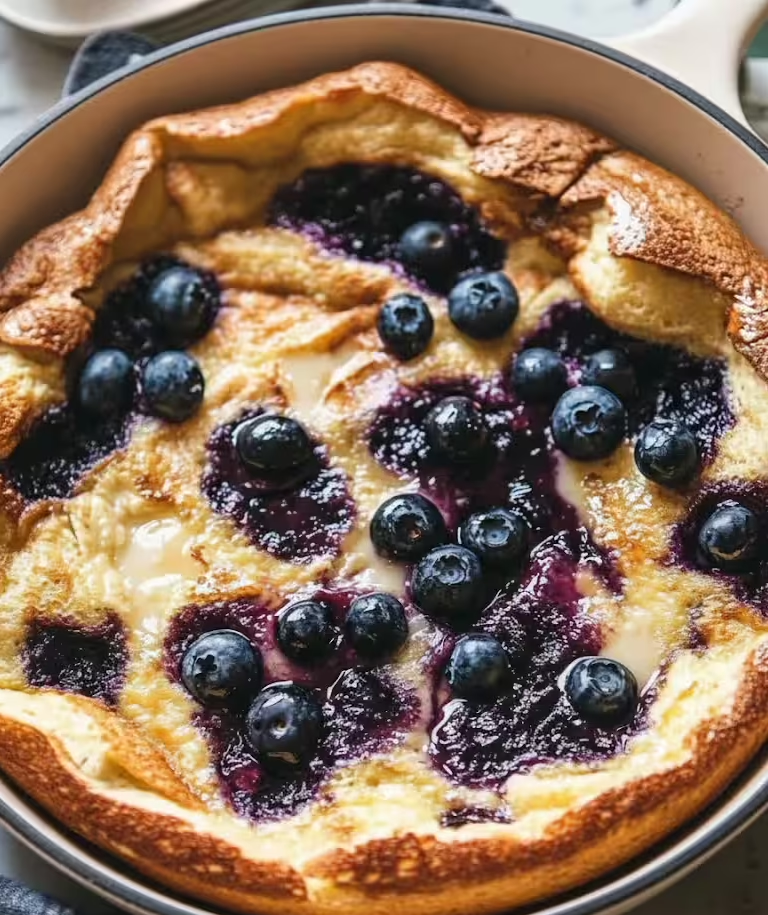
Blueberry Lemon Dutch Baby Pancake: The Ultimate Skillet Breakfast Showstopper with Dramatic Puffed Excellence
Ingredients
Method
- Preheat the Oven: Preheat your oven to 450°F (230°C). This high temperature is crucial for creating the dramatic puff of the Dutch baby pancake. Make sure the oven is fully heated before you put the batter in.
- Prepare the Batter: In a blender, combine the eggs, whole milk, flour, salt, vanilla extract, and 2 tablespoons of melted butter. Blend for about 1 minute until the batter is smooth and no flour clumps remain. The blender creates a silky-smooth texture that’s difficult to achieve by hand whisking. Add the lemon zest and swirl in the blueberry jam to create a beautiful marbled effect throughout the batter.
- Cook the Blueberries: In a 10-12 inch cast iron skillet, melt the remaining 2 tablespoons of butter over medium heat. Add the blueberries to the skillet and allow the butter to brown slightly around the berries, about 3 minutes. This process caramelizes the blueberries slightly and infuses the butter with their flavor, creating a delicious foundation for your Dutch baby.
- Bake the Dutch Baby: Once the blueberries are cooked, pour the prepared batter into the hot skillet, ensuring any remaining jam is added. Transfer the skillet to the oven and bake for 15 minutes, or until the Dutch baby is puffed and golden on top. Avoid opening the oven during baking to prevent deflating the pancake. The dramatic rise happens due to the steam created by the hot skillet and high oven temperature.
- Serve: Once the Dutch baby is done baking, remove it from the oven and top it with pats of butter. Drizzle with maple syrup and serve immediately. The Dutch baby will begin to deflate as soon as it comes out of the oven, so timing is everything for presentation.
Notes
- For best results, ensure all ingredients are at room temperature before mixing.
- A cast iron skillet is ideal for Dutch babies as it retains heat evenly.
- Don’t skip preheating the skillet with the butter and berries—this helps the Dutch baby rise properly.
- Dutch babies deflate quickly once removed from the oven, so have your toppings ready and serve immediately.
- Additional toppings like powdered sugar, fresh berries, or whipped cream make excellent additions.