It’s February 10, 2026. While most of the world is still waiting for the first sign of a crocus, seasoned gardeners know this is “The Great Shuffle” window. If you have a plant in the wrong place, or a clump that’s grown so large it’s basically its own zip code, now is the time to act.
Transplanting in February feels counterintuitive—the air is crisp and the plants look like dead sticks—but that is exactly why it works. When a plant is dormant, its “engine” is off. Moving it now allows the roots to settle into their new home without the stress of supporting leaves or fighting the summer sun.
Here are the 7 perennials that actually prefer a February move, giving them the best head start for the coming spring.
1. Hostas: The “Indestructible” Nomads
Hostas are the champions of transplanting. Since they haven’t sent up their “eyes” (the pointed new shoots) yet, you can dig them up without worrying about damaging the delicate foliage.
- The Benefit: Moving them now means they’ll unfurl their massive leaves in April as if they’ve been there for years.
2. Daylilies (Hemerocallis)
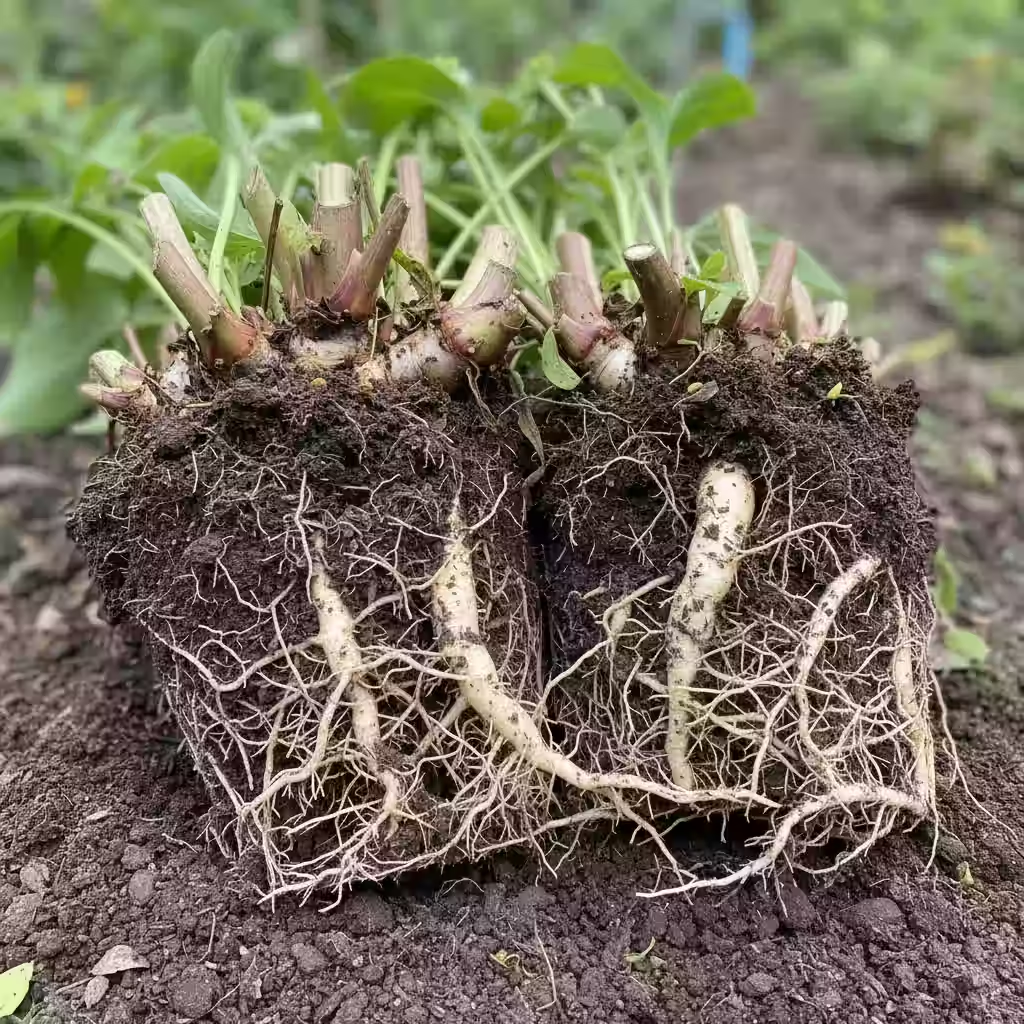
Daylilies are practically immortal, but they bloom best when they aren’t overcrowded. If your Daylily clumps have become a tangled mess, February is the perfect time to lift the entire root mass and slice it into four or five new plants.
- The Benefit: They are tough enough to handle the cold soil and will establish a massive root system before the June heat hits.
3. Ornamental Grasses
If you followed our advice on “The February Chop,” your grasses are already cut back to 6 inches. This makes them incredibly easy to dig up and move.
- The Benefit: Grasses have very dense, fibrous roots. Moving them while they are dormant ensures you don’t interrupt their rapid growth cycle in late spring.
4. Bee Balm (Monarda)
Bee Balm is a “runner”—it spreads via underground rhizomes. If it’s starting to invade your walking paths or crowd out other flowers, move it now.
- The Benefit: February moves help curb its aggressive spreading habit for the following season while ensuring you still get those vibrant, pollinator-friendly blooms in July.
5. Shasta Daisies
These cheerful classics tend to die out in the center of the clump after 3 or 4 years. February is the ideal time to dig up the outer, younger sections of the plant and move them to a fresh spot.
- The Benefit: This “refresh” prevents the plant from looking leggy and encourages a much denser flower count.
6. Astilbe
Astilbes love the damp, cool soil of February. Because they are prone to drying out, the natural moisture of late winter helps them transition to a new shady spot without the “wilting” drama they exhibit in the summer.
- The Benefit: It ensures they have maximum hydration as they prepare their feathery plumes.
7. Phlox (Garden Phlox)
If your Phlox suffered from powdery mildew last year, move it now to a spot with better airflow.
- The Benefit: Transplanting in February allows you to improve the plant’s environment before the fungus has a chance to wake up in the spring.
How to Transplant Like a Pro in February
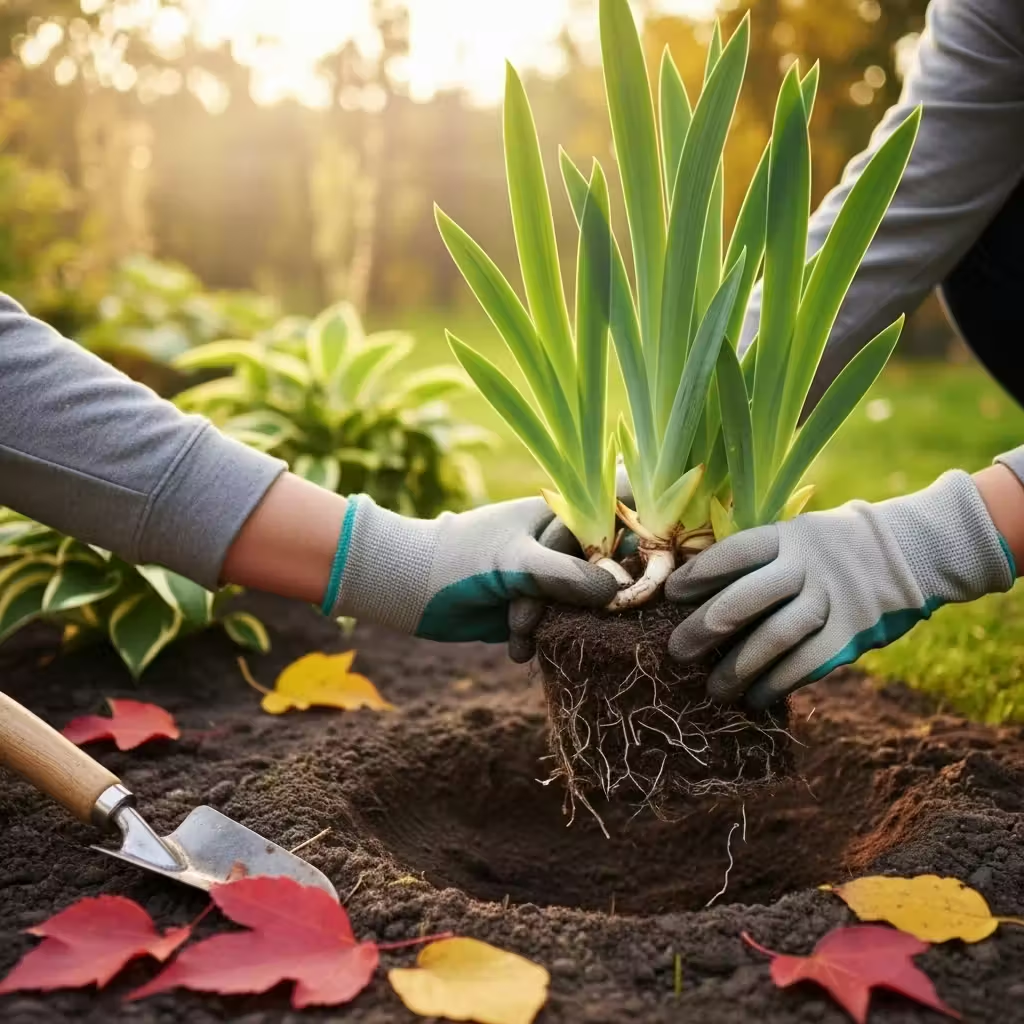
- Dig Wide, Not Deep: Most perennial roots spread outward rather than straight down. Dig a circle about 6 inches wider than the plant’s furthest stems to keep the root ball intact.
- The “Check-Up”: While the plant is out of the ground, check for any mushy or rotted roots. Snip them off with your sharp (and newly cleaned!) shears.
- Soil Prep: Don’t just put the plant in a hole. Mix a little compost into the new site to give those waking roots a “breakfast” of nutrients.
- Water Once: Even if the ground is damp, water the plant in once to settle the soil and remove air pockets. After that, nature’s winter rain will usually do the rest.
A Note on Frozen Ground: If the ground is “hard-frozen” (meaning you can’t get a shovel in), wait a few days for a thaw. Forcing a shovel into frozen ground can slice through the roots like a knife through glass.
Moving these plants today means you won’t be sweating over a shovel in the 80°F heat of May. Your back—and your plants—will thank you.