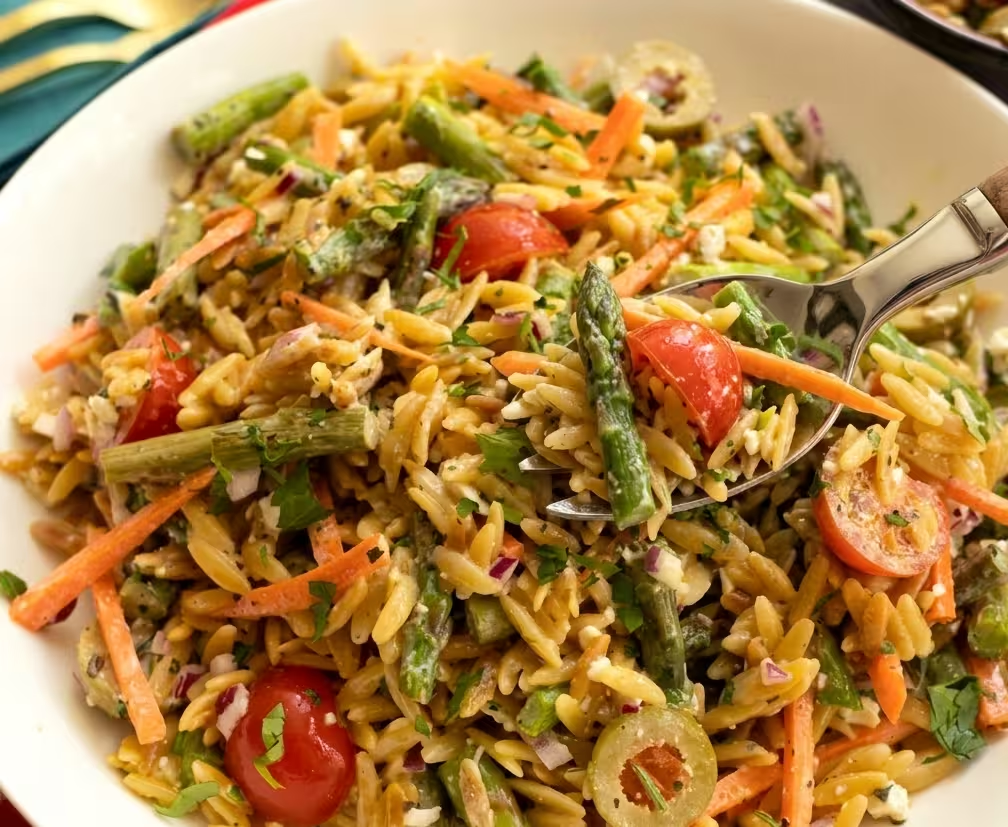
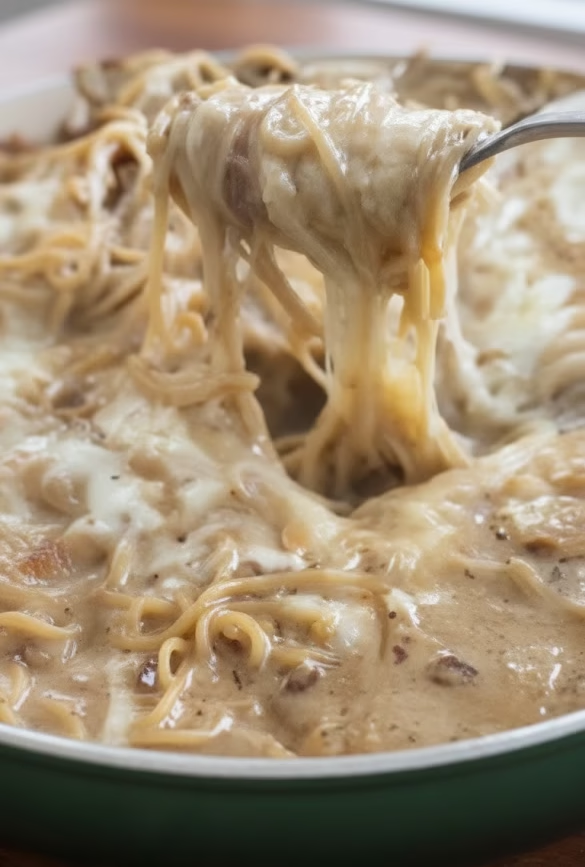
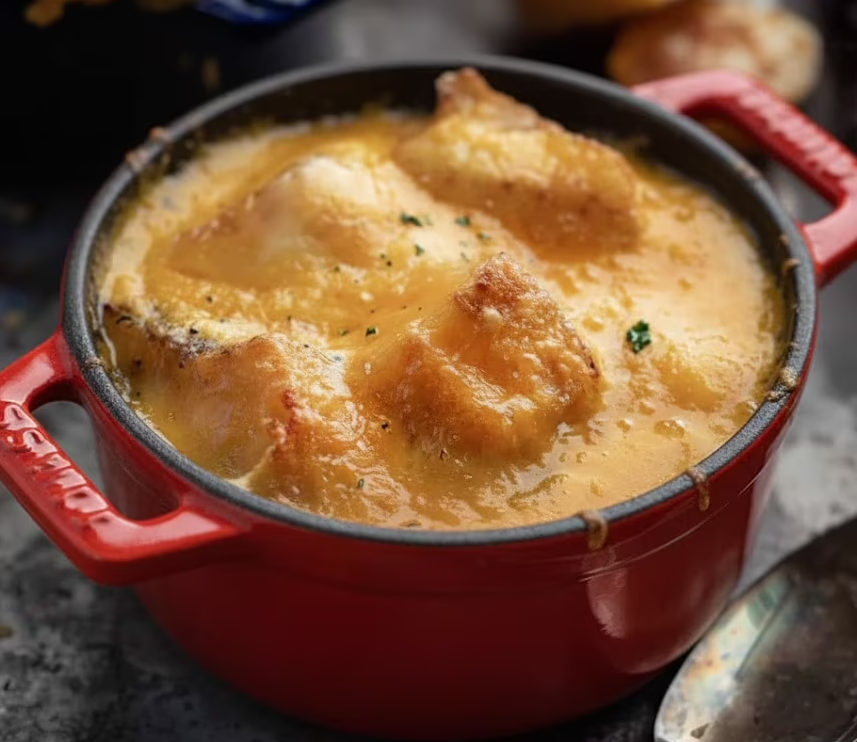
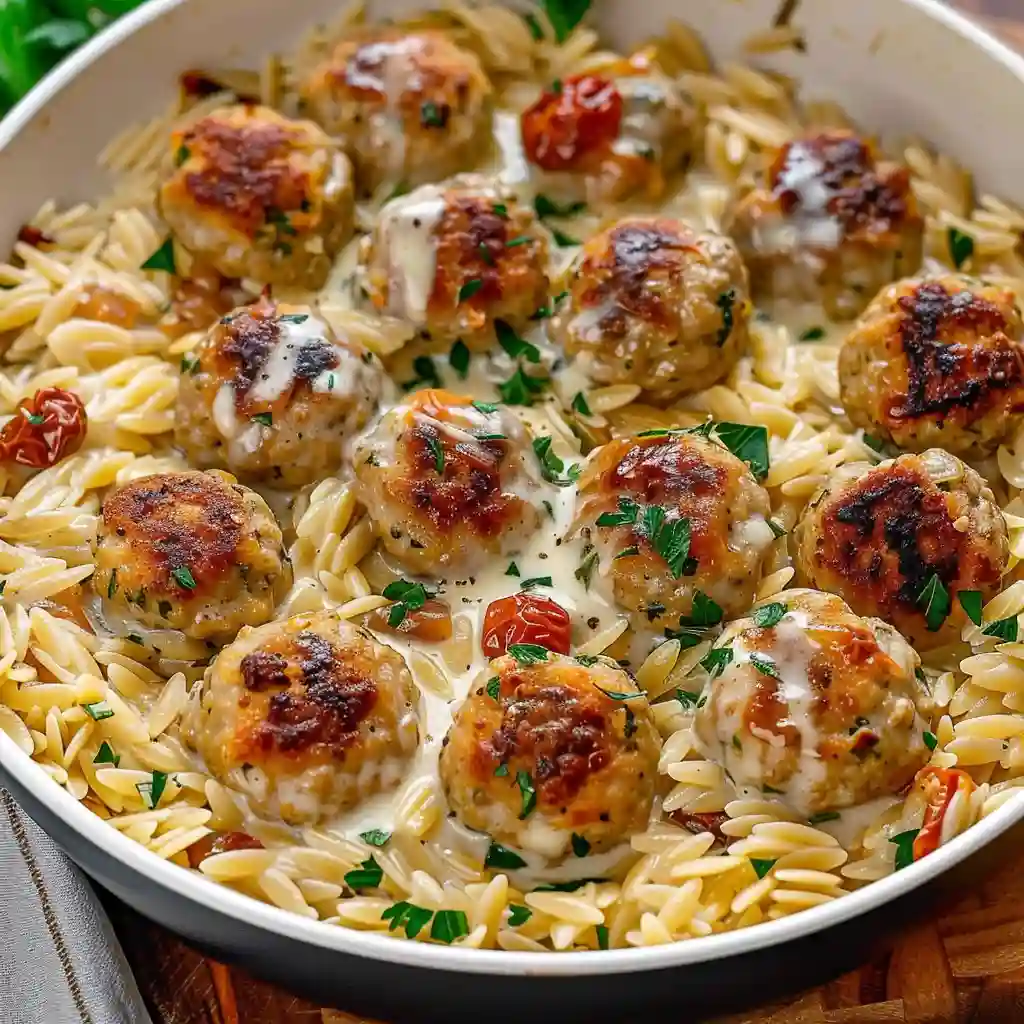
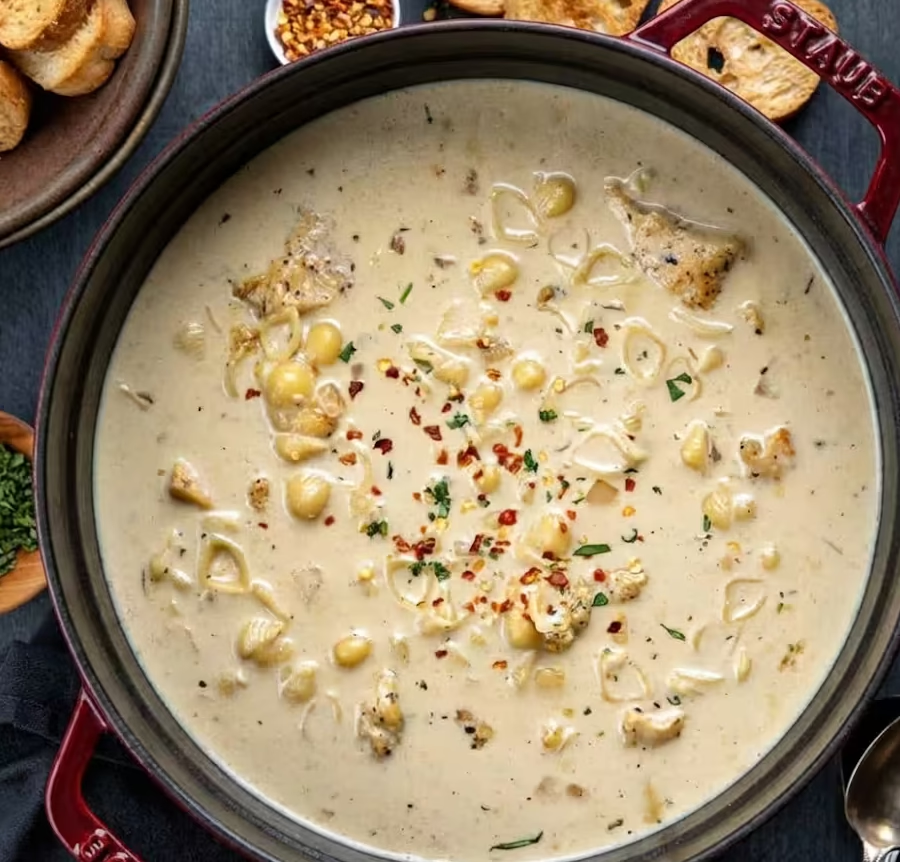
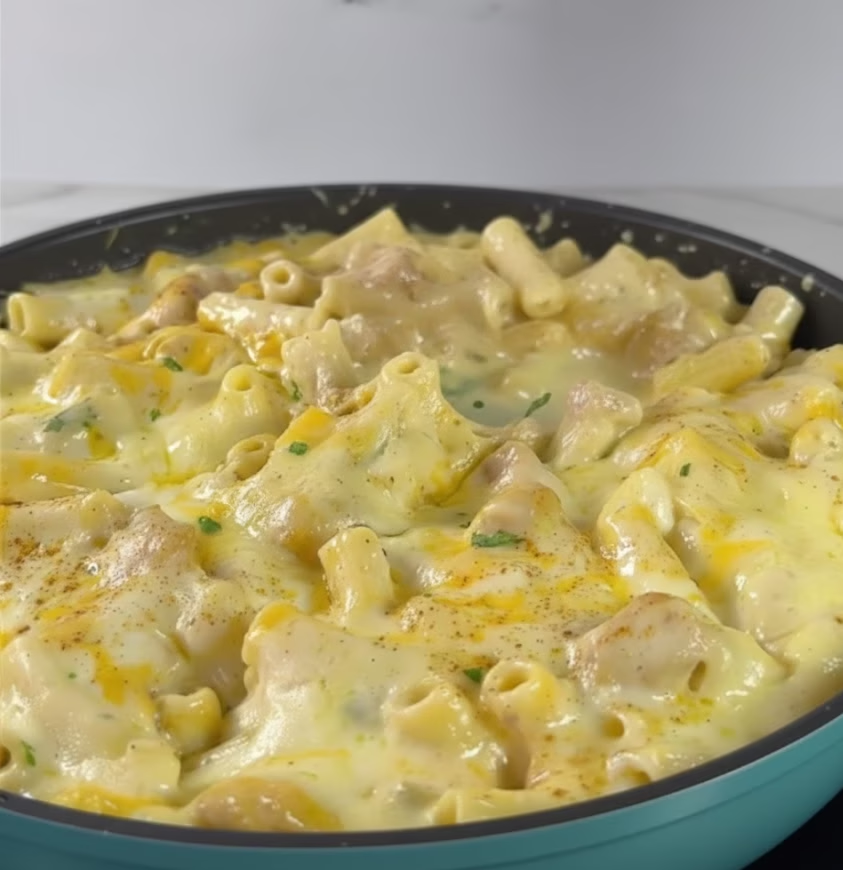
This extraordinary Creamy Lemon Chicken Orzo Bake recipe represents the pinnacle of American comfort food innovation and rice-shaped pasta casserole artistry, masterfully combining the tender, lemony perfection of seasoned chicken with the creamy, tangy abundance of soup-based sauce through revolutionary orzo-bakes-in-dish methodology that creates an exceptional family-dinner experience celebrating both traditional American casserole heritage and contemporary lemon-garlic sophistication. The genius of this remarkable creation lies in its sophisticated understanding of orzo pre-soaking absorption technique, strategic cream-of-chicken soup convenience, and balanced lemon-Swiss cheese flavor pairing, where simple accessible ingredients meet restaurant-quality results within a harmonious composition that delivers Panera-worthy outcomes through careful multi-stage baking methods, embodying both classic American one-dish traditions and modern citrus-forward innovation in every perfectly creamy, orzo-studded, satisfaction-defining forkful that transforms basic ingredients into extraordinary celebration experiences.
The Art of Baked Orzo Casserole Construction and Pre-Soak Moisture-Absorption Mastery
Creamy Lemon Chicken Orzo Bake represents the evolution of traditional American chicken casserole cuisine, where classic condensed-soup methodology meets modern orzo pasta technique to create dinner masterpieces that celebrate the fundamental principles of proper pasta hydration while delivering the beloved flavors and impressive make-ahead convenience that define exceptional casserole excellence. Born from the desire to create elegant family dinners through strategic orzo pre-soaking approach, expert cream-of-chicken base methodology, and the transformative power of the orzo-chicken-Swiss trinity, this recipe embodies the philosophy of “accessible weeknight elegance” – where beloved traditional chicken casseroles are elevated through sophisticated lemon-herb seasoning and thoughtful Swiss cheese finish that honor both classic American heritage and contemporary citrus-forward requirements. The casserole’s transformation from dry orzo to creamy, tender perfection demonstrates how proper understanding of 30-minute pre-soak timing, multi-stage baking technique, and optimal 15-minute resting can create consistently extraordinary results that satisfy both traditional casserole enthusiasts and modern lemon-chicken pasta connoisseurs.
Understanding the Science of Orzo Starch-Gelatinization Sequential-Hydration and Cream-of-Chicken Emulsion-Stabilization Mastery
The success of this Creamy Lemon Chicken Orzo Bake recipe lies in the masterful orchestration of starch absorption, protein coagulation, and cheese protein melting that creates optimal creamy-yet-structured texture while maintaining lemon brightness and achieving perfect Swiss cheese crown throughout the preparation process. The strategic 30-minute pre-soak foundation provides essential moisture head-start and superior even cooking, where warm broth begins starch hydration before baking, pre-soaking prevents crunchy orzo centers, and proper timing allows complete tender doneness defining exceptional baked orzo character. The carefully executed multi-stage baking ensures optimal covered steam-softening followed by uncovered liquid reduction that creates rather than compromises restaurant-quality results, while the expertly timed 15-minute rest provides complete sauce thickening and perfect sliceable consistency that elevates the entire casserole experience to comfort food sophistication and family-dinner perfection.
Ingredients (Makes 8-10 Servings)
Essential Orzo Pasta Base:
- 1½-2 cups (270-360g) uncooked orzo pasta (rice-shaped pasta—use closer to 2 cups for heartier casserole), for starchy foundation
- 3 cups (720ml) warm chicken broth (made from bouillon cubes/paste or low-sodium canned—warm to approximately 120-130°F/49-54°C for optimal pre-soaking), for cooking liquid and moisture
Critical Chicken Component:
- 2 cups (approximately 10-12 ounces/280-340g or more if desired) cooked chicken, diced or shredded (rotisserie chicken, poached chicken breast, or leftover chicken), for protein element
Essential Creamy Soup Base:
- 2 cans (10.5 ounces/298g each, total 21 ounces/596g) cream of chicken soup (condensed—Campbell’s or similar), for creamy binding sauce
- ½ cup (120g) sour cream (full-fat for best texture), for tang and additional creaminess
Critical Lemon Components:
- Juice of 2 medium lemons (approximately 6 tablespoons/90ml fresh lemon juice), for bright citrus acidity
- 1 teaspoon (2g) lemon zest (finely grated from lemon peel before juicing), for aromatic citrus oils
Essential Seasoning Blend:
- 1 teaspoon (3g) garlic powder, for savory aromatic depth
- ½ teaspoon (1.5g) onion powder, for sweet aromatic background
- ½ teaspoon (1g) black pepper, freshly ground, for subtle warmth
- Pinch (approximately ⅛ teaspoon) celery salt, for savory herbaceous depth
- 2 tablespoons (6g) dried parsley (or 4 tablespoons fresh chopped), for herbal color and flavor
Critical Two-Cheese Components:
- ½ cup (50g) grated Parmesan cheese (freshly grated from block for best flavor), for nutty salty depth in sauce
- 8 ounces (226g/approximately 2 cups) Swiss cheese, freshly grated from block and divided (1 cup mid-bake, 1 cup final topping), for melted nutty richness and golden crown
Optional Enhancement Elements:
- 1 cup frozen peas added with chicken
- ½ cup diced carrots for vegetable addition
- ½ teaspoon Italian seasoning for herb complexity
- ¼ teaspoon red pepper flakes for subtle heat
- Fresh thyme or rosemary for aromatic herbs
- Panko breadcrumbs mixed with butter for crunchy topping
- Additional lemon slices for garnish
Essential Equipment Requirements:
- 9×13-inch baking dish for casserole
- Non-stick cooking spray or butter for greasing
- Large mixing bowl for sauce mixture
- Whisk or spoon for combining
- Aluminum foil for covering
- Wooden spoon for stirring
Instructions
Strategic Oven Preheating and Dish Preparation:
Position oven rack in center and preheat to 350°F (175°C)—this moderate temperature ensures orzo cooks through completely while sauce develops without excessive evaporation or burning. Generously grease 9×13-inch baking dish with butter or non-stick cooking spray coating bottom and sides. Set prepared dish aside.
Professional Orzo Pre-Soaking and Critical Moisture Absorption:
Add 1½-2 cups uncooked orzo pasta to prepared greased 9×13-inch baking dish, spreading evenly across bottom. Pour 3 cups warm chicken broth (approximately 120-130°F/49-54°C—warm to touch but not hot) over orzo in dish, ensuring all pasta pieces submerge or get wet. Stir gently to distribute.
Let orzo sit in warm broth undisturbed for 30 minutes at room temperature allowing pasta to begin absorbing liquid and softening—this critical pre-soak ensures orzo will cook completely tender during baking without remaining hard or crunchy in center. During soaking, orzo swells slightly and broth level drops as pasta absorbs moisture.
Critical pre-soaking principle: Thirty-minute soak is essential. Skipping creates crunchy undercooked orzo; over-soaking (60+ minutes) creates mushy result.
Beautiful Chicken Addition and Protein Distribution:
After 30-minute orzo pre-soak, add 2 cups (or more if desired) cooked diced or shredded chicken to baking dish with soaked orzo and remaining broth. Using spoon, stir chicken into orzo mixture distributing chicken pieces throughout—properly mixed should show chicken scattered evenly creating protein throughout casserole.
Expert Creamy Lemon Sauce Preparation and Complete Emulsification:
In large mixing bowl, combine 2 cans cream of chicken soup, ½ cup sour cream, juice of 2 lemons (approximately 6 tablespoons), 1 teaspoon lemon zest, 1 teaspoon garlic powder, ½ teaspoon onion powder, ½ teaspoon black pepper, pinch celery salt, 2 tablespoons dried parsley, and ½ cup grated Parmesan cheese.
Using whisk or wooden spoon, stir ingredients together vigorously for 1-2 minutes until combining completely and becoming smooth creamy mixture with no soup lumps remaining—properly mixed should appear uniform pale-tan color with visible lemon zest and parsley flecks, flow like thick soup, and smell of lemon and garlic.
Properly finished sauce should appear as cohesive creamy mixture with lemon, herbs, and cheese incorporated creating flavorful binding sauce.
Strategic Sauce Integration and Complete Coating:
Pour entire prepared creamy lemon sauce mixture over orzo-chicken-broth mixture in baking dish. Using wooden spoon or rubber spatula, gently stir sauce into orzo and chicken for 30-45 seconds until combining relatively evenly and sauce coats orzo throughout—proper mixing shows creamy sauce distributed throughout with orzo and chicken pieces coated.
Important: Some liquid remaining is normal and essential—orzo continues absorbing during baking creating creamy texture rather than dry casserole.
Beautiful First Cheese Layer and Mid-Bake Addition:
Sprinkle half (approximately 1 cup) of freshly grated Swiss cheese evenly over top of orzo-chicken-sauce mixture in dish, distributing from edge to edge creating cheese layer—first cheese addition melts into casserole during covered baking creating cheesy interior.
Critical Covered Baking and Steam-Softening Phase:
Cover baking dish tightly with aluminum foil, crimping edges to seal creating steam-trapping environment. Transfer covered dish to preheated 350°F oven on center rack.
Bake covered for 35 minutes undisturbed—during covered phase, trapped steam helps orzo soften completely, chicken heats through, and sauce begins thickening. Properly baked after covered phase should show bubbling around edges when foil lifted, orzo beginning to soften, and mixture hot throughout.
Strategic Stirring and Uncovered Continuation:
After 35 minutes covered baking, carefully remove dish from oven (use oven mitts—very hot). Remove and discard aluminum foil. Using wooden spoon, gently stir casserole redistributing orzo, chicken, and sauce ensuring even cooking and preventing sticking to bottom—gentle stirring incorporates any separated liquid and promotes even final cooking.
Return uncovered dish to 350°F oven on center rack.
Expert Uncovered Baking and Liquid Reduction:
Continue baking uncovered for additional 25-30 minutes (begin checking at 25 minutes) until orzo becomes completely tender when tasted (no hard centers), excess liquid reduces and thickens, and casserole appears creamy but not soupy—properly baked should show orzo tender throughout, mixture thickened noticeably from uncovered evaporation, and edges beginning to brown slightly.
Test orzo tenderness by tasting piece—should be completely soft with no hard or crunchy center remaining.
Beautiful Temperature Increase and Final Cheese Crown:
Once orzo reaches complete tenderness after uncovered baking, carefully remove dish from oven. Increase oven temperature to 375°F (190°C) and allow oven to reach new temperature (approximately 5 minutes).
Sprinkle remaining half (approximately 1 cup) freshly grated Swiss cheese evenly over entire top surface of casserole creating generous cheese blanket covering all visible orzo—final cheese layer creates golden-brown melted crown.
Return dish to now-375°F oven on center rack.
Perfect Final Cheese Melting and Golden Browning:
Bake at 375°F for 15-20 minutes until Swiss cheese melts completely, bubbles gently, and develops light golden-brown color across top—properly finished should show melted golden Swiss cheese crown with some darker brown spots creating attractive appearance.
Optional broiler finish: For deeper golden color, switch oven to broil setting (high) and broil for 1-2 minutes watching constantly until top develops rich golden-brown color—broil creates restaurant-quality appearance but requires close monitoring preventing burning.
Critical Resting Period and Complete Sauce Thickening:
Once casserole achieves proper golden Swiss cheese crown, remove from oven and place on heat-proof surface or wire rack. Let casserole rest undisturbed for 15 minutes minimum (20 minutes even better)—resting is absolutely essential allowing sauce to thicken dramatically, orzo to absorb remaining liquid, and temperature to become comfortable for eating.
Important: Casserole appears very liquidy and soupy immediately from oven—this is correct and expected. During 15-minute rest, liquid thickens dramatically creating perfect creamy consistency. Skipping rest results in soupy servings.
Properly rested should show sauce thickened to creamy coating consistency, casserole hold together when scooped, and temperature comfortable for serving while remaining hot.
Elegant Serving and Family-Style Presentation:
After minimum 15-minute rest, serve Creamy Lemon Chicken Orzo Bake hot directly from baking dish using large spoon. Each serving should deliver tender rice-shaped orzo pasta coated in creamy lemon sauce, juicy chicken pieces throughout, melted Swiss cheese creating nutty richness, bright lemon flavor with garlic-herb depth, and complete one-dish comfort experience.
Garnish individual servings with optional fresh parsley, additional Parmesan, lemon wedge squeeze, or freshly cracked black pepper creating customized presentation.
Professional Tips for Perfect Results
Don’t Skip Pre-Soak: Thirty-minute warm broth soak essential for tender orzo. Skipping creates hard crunchy centers.
Use Warm Broth: Warm (120-130°F) starts absorption immediately. Cold broth delays process affecting final texture.
Rest Full 15 Minutes: Resting thickens sauce dramatically. Immediate serving creates soupy mess that thickens on plate.
Stir After Covered Baking: Mid-bake stirring redistributes ingredients and prevents bottom sticking ensuring even final cooking.
Use Freshly Grated Swiss: Pre-shredded contains anti-caking agents affecting melting. Fresh-shredded creates smoothest crown.
Don’t Overbake: Orzo should be tender not mushy. Test at 25 minutes uncovered baking preventing overcooking.
Cover Tightly: Proper seal traps steam essential for orzo softening. Loose foil allows evaporation creating undercooked pasta.
Trust Liquid Appearance: Soupy when hot is correct. Resting transforms to creamy through starch thickening.
Troubleshooting Common Issues
Crunchy Orzo: Results from skipping pre-soak or insufficient baking. Soak 30 minutes and bake until completely tender.
Soupy Texture: Normal straight from oven. Rest full 15 minutes for sauce thickening through starch absorption.
Dry Casserole: Indicates excessive uncovered baking or insufficient broth. Use full 3 cups broth and don’t overbake uncovered.
Bland Flavor: Results from insufficient lemon or seasoning. Use juice of 2 full lemons and all seasoning amounts.
Burnt Top: Caused by oven too hot or excessive broiling. Use 375°F final temp and broil maximum 1-2 minutes.
Orzo Stuck to Bottom: Indicates insufficient stirring after covered bake. Stir gently after removing foil redistributing.
Grainy Cheese: Results from overheating or pre-shredded cheese. Use freshly grated and moderate temperatures.
Creative Variations and Adaptations
While the classic lemon-Swiss version represents comfort perfection, this recipe provides foundation for variations:
Spinach Addition: Fold 2 cups fresh spinach with chicken for vegetable enhancement.
Mushroom: Add 8 ounces sliced sautéed mushrooms for earthy depth.
Asparagus: Add 1 cup chopped asparagus for spring variation.
Herb-Crusted: Top with panko-Parmesan-herb mixture for crunchy crown.
Greek Style: Use feta instead of Swiss, add olives and oregano for Mediterranean variation.
Broccoli: Fold in 2 cups steamed broccoli florets for classic pairing.
Turkey: Use leftover turkey instead of chicken for Thanksgiving leftover variation.
Storage and Make-Ahead Guidelines
Creamy Lemon Chicken Orzo Bake achieves optimal texture when served warm within 3-4 days of preparation, showcasing perfect balance between creamy sauce and tender orzo throughout. Store covered casserole in refrigerator for up to 3-4 days. Reheat portions in microwave 2-3 minutes or entire dish covered with foil in 350°F oven for 25-30 minutes until warmed through, adding splash of broth if needed. For make-ahead convenience, assemble completely through adding first cheese layer, cover, refrigerate up to 24 hours unbaked—bake when ready adding 10-15 minutes to covered time. Can freeze baked casserole up to 2 months—thaw overnight refrigerated and reheat.
Nutritional Information and Family-Dinner Value
This satisfying complete meal provides dinner nutrition with approximately 450-500 calories per serving, substantial protein from chicken and cheese (28-32g per serving), moderate carbohydrates from orzo, moderate fat from cheese and sour cream, calcium from Swiss and Parmesan, vitamin C from lemon, and complete family-friendly experience suitable for weeknight dinners, potluck contributions, church socials, Sunday suppers, and whenever elegant one-dish meals and lemon-chicken flavors are desired. The orzo base creates sophisticated alternative to traditional rice or noodle casseroles while Swiss cheese ensures restaurant-quality character celebrating American comfort food culture and modern citrus-forward cooking.
Frequently Asked Questions
Q: Can I use a different pasta? A: Orzo’s rice shape is signature. Small pasta like ditalini or acini di pepe could substitute but adjust liquid and timing.
Q: Why pre-soak the orzo? A: Thirty-minute warm broth soak ensures complete tenderness during baking preventing hard crunchy centers.
Q: Why is it soupy when it comes out? A: Normal and expected. Fifteen-minute rest allows starch thickening transforming soupy to creamy perfectly.
Q: Can I use rotisserie chicken? A: Yes, rotisserie chicken perfect. Shred or dice 2 cups (approximately half large rotisserie chicken) for easy prep.
Q: What if I don’t have Swiss cheese? A: Gruyère, mozzarella, or provolone work. Swiss provides signature nutty flavor but others acceptable.
Q: Can I make this dairy-free? A: Difficult as cream soup, sour cream, and cheese are essential. Would require complete recipe reformulation.
Q: How do I know orzo is done? A: Taste test—should be completely tender with no hard centers, similar to al dente pasta texture.
Q: Can I add vegetables? A: Yes, spinach, peas, broccoli, or asparagus work. Add with chicken maintaining focus on orzo-chicken base.
This Creamy Lemon Chicken Orzo Bake recipe represents the perfect embodiment of American one-dish excellence, delivering extraordinary results that transform simple orzo into restaurant-worthy experiences that accommodate family dinners while maintaining the authentic creamy-lemony character and impressive Swiss-cheese-crowned presentation of genuine comfort-food preparation, showcasing fundamental principles of proper orzo pre-soaking technique and strategic multi-stage baking that make every forkful a celebration of American casserole innovation, lemon-chicken tradition, and the superior satisfaction that only thoughtful one-dish methodology can provide, elevating accessible ingredients into elegant, delicious, dinner-defining perfection that represents the ultimate expression of baked orzo mastery and contemporary family-meal success.
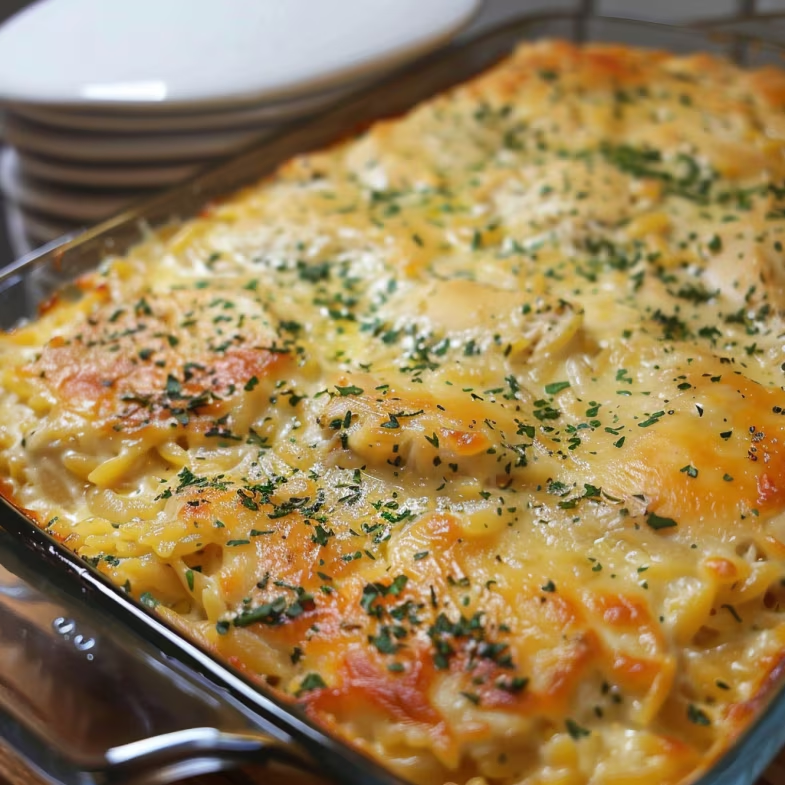
Creamy Lemon Chicken Orzo Bake: The Ultimate One-Dish Pasta with Swiss-Cheese Excellence
Ingredients
Method
- Orzo Soak: Preheat oven to 350°F. In a greased 9×13 dish, combine uncooked orzo and warm broth. Let it sit for 30 minutes to soften the grain.
- Combine: Stir in the cooked chicken. In a separate bowl, whisk the soup, sour cream, lemon juice/zest, garlic powder, onion powder, pepper, celery salt, parsley, and Parmesan. Pour this over the orzo and stir gently.
- First Bake: Sprinkle half of the Swiss cheese on top. Cover tightly with foil and bake for 35 minutes.
- Second Bake: Remove foil, give it a gentle stir, and bake uncovered for 25–30 minutes until the orzo is tender.
- Crisp & Melt: Increase oven to 375°F. Top with the remaining Swiss cheese and bake for 15–20 minutes until bubbly and golden. (Optional: Broil for 1–2 mins for extra color).
- The Wait: Let the dish sit for 15 minutes after removing from the oven. This is crucial—the sauce will look thin at first but will thicken into a perfect consistency as it rests.
Notes
- Fresh Cheese: As with your previous recipes, grating the Swiss cheese from a block is highly recommended. Pre-shredded Swiss often doesn’t melt as smoothly.
- Chicken Shortcut: This is a perfect use for a store-bought rotisserie chicken to save time on prep.
- Vegetable Add-in: If you want to add some greens, a few handfuls of fresh baby spinach stirred in during Step 4 will wilt perfectly in the residual heat.