This extraordinary Mongolian Ground Beef Noodles recipe represents the pinnacle of Asian-American fusion innovation and takeout-inspired noodle artistry, masterfully combining the savory, caramelized perfection of ground beef with the sweet, umami abundance of Mongolian-style sauce through revolutionary one-pan methodology that creates an exceptional weeknight-dinner experience celebrating both traditional Mongolian beef heritage and contemporary noodle-bowl sophistication. The genius of this remarkable creation lies in its sophisticated understanding of brown sugar-soy caramelization technique, strategic hoisin sauce depth enhancement, and balanced ginger-garlic aromatic foundation, where simple accessible ingredients meet restaurant-quality results within a harmonious composition that delivers P.F. Chang’s-worthy outcomes through straightforward skillet methods, embodying both classic Asian takeout traditions and modern one-pot innovation in every perfectly glossy, beef-coated, satisfaction-defining forkful that transforms basic ingredients into extraordinary family experiences.
The Art of Mongolian Sauce Construction and Ground-Beef Caramelization Mastery
Mongolian Ground Beef Noodles represent the evolution of traditional Chinese Mongolian beef cuisine, where classic sliced-beef-stir-fry methodology meets modern ground-beef technique to create dinner masterpieces that celebrate the fundamental principles of proper sauce reduction while delivering the beloved flavors and impressive 30-minute convenience that define exceptional Asian noodle bowl excellence. Born from the desire to create weeknight-friendly takeout alternatives through strategic ground beef accessibility, expert hoisin-soy-brown sugar trinity methodology, and the transformative power of the beef-noodle-sauce combination, this recipe embodies the philosophy of “accessible Asian elegance” – where beloved traditional Mongolian beef is simplified through ground meat format and thoughtful ginger-garlic enhancement that honor both classic Chinese-American heritage and contemporary busy-family requirements. The dish’s transformation from separate components to unified, sauce-coated perfection demonstrates how proper understanding of sauce reduction timing, noodle cooking doneness, and optimal tossing technique can create consistently extraordinary results that satisfy both traditional takeout enthusiasts and modern one-pan noodle connoisseurs.
Understanding the Science of Brown Sugar-Soy Maillard-Caramelization and Hoisin Fermented-Bean Umami-Development Mastery
The success of this Mongolian Ground Beef Noodles recipe lies in the masterful orchestration of protein browning, sugar caramelization, and starch coating that creates optimal glossy-yet-tender texture while maintaining sauce adherence and achieving perfect sweet-savory balance throughout the preparation process. The strategic brown sugar-soy sauce foundation provides essential caramelization potential and superior umami depth, where brown sugar contributes molasses sweetness and browning, soy sauce adds salty savory backbone, and proper reduction creates thick coating defining exceptional Mongolian sauce character. The carefully executed 10-15 minute sauce simmering ensures optimal thickening and prevents watery texture that creates rather than compromises restaurant-quality results, while the expertly integrated hoisin sauce provides signature sweet fermented-bean complexity and glossy finish that elevates the entire noodle experience to Asian takeout sophistication and weeknight-dinner perfection.
Ingredients (Makes 4-6 Servings)
Essential Ground Beef Component:
- 1 pound (450g) ground beef (80/20 or 85/15 lean-to-fat ratio for flavor and moisture), for savory protein base
Critical Aromatic Foundation:
- 1 tablespoon (15g) ginger paste (or freshly grated ginger), for warm spicy aromatic depth
- 5 teaspoons (approximately 5 cloves or 25g) minced garlic, for pungent aromatic character
Essential Mongolian Sauce:
- ½ cup (120ml) beef broth (low-sodium preferred for seasoning control), for deglazing and sauce liquid
- ½ cup (120ml) soy sauce (regular or low-sodium—adjust salt if using regular), for salty umami backbone
- ¼ cup (55g) brown sugar, packed (light or dark), for sweet caramelization
- ⅓ cup (80ml) hoisin sauce (Chinese fermented soybean sauce), for sweet umami depth and glossy coating
Essential Seasoning:
- Black pepper to taste (approximately ½ teaspoon suggested), for subtle warmth
- Red pepper flakes to taste (approximately ¼-½ teaspoon for mild-medium heat, more for spicier), for heat
Critical Noodle Component:
- 1 box (16 ounces/450g) linguini noodles (or other long pasta—spaghetti, fettuccine, or Asian noodles like lo mein or udon work), for starchy vehicle
Optional Garnish and Enhancement:
- Green onions (scallions), sliced, for fresh onion bite and color
- Sesame seeds (white or black), toasted, for nutty crunch and visual appeal
- Fresh cilantro for herbal brightness
- Sriracha or chili oil for additional heat
- Lime wedges for citrus brightness
Optional Enhancement Elements:
- 1 tablespoon sesame oil for nutty aroma
- 1 tablespoon rice vinegar for tang
- 1 teaspoon cornstarch mixed with 2 tablespoons water for extra sauce thickening
- ½ cup sliced bell peppers for vegetable addition
- ½ cup shredded carrots for color and nutrition
- 1 cup broccoli florets for vegetable enhancement
Essential Equipment Requirements:
- Large pot for cooking noodles
- Large skillet (12-inch or wok) for cooking beef and sauce
- Colander for draining noodles
- Wooden spoon or spatula for stirring
- Measuring cups and spoons
Instructions
Strategic Noodle Cooking and Al Dente Achievement:
Bring large pot of salted water to rolling boil over high heat. Add entire 16-ounce box linguini noodles. Cook according to package directions (typically 9-11 minutes) until reaching al dente doneness (tender but still slightly firm when bitten)—properly cooked should show noodles cooked through with slight resistance at center.
Important noodle timing: Cook noodles while preparing beef and sauce for efficiency, timing completion together.
Drain cooked noodles through colander. Do not rinse—starchy coating helps sauce adhere. Set drained noodles aside while finishing sauce.
Professional Ground Beef Browning and Complete Cooking:
Heat large 12-inch skillet or wok over medium-high heat for 1-2 minutes until hot. Add 1 pound ground beef to hot skillet, breaking apart with wooden spoon or spatula into small crumbles (approximately pea-sized pieces).
Cook beef, stirring occasionally and breaking up large chunks, for 6-8 minutes until browning completely showing no pink remaining—properly cooked should appear mahogany-brown, crumble into distinct small pieces, and smell savory.
If ground beef releases excessive grease (more than 2-3 tablespoons pooling), carefully tilt skillet and spoon out excess fat or drain through colander then return beef to skillet—moderate fat adds flavor; excess creates greasy sauce.
Beautiful Aromatic Addition and Flavor Development:
Once beef browns completely, add 1 tablespoon ginger paste and 5 teaspoons minced garlic to browned beef in skillet. Stir aromatics into beef for 1 minute, cooking constantly until becoming intensely fragrant—properly cooked should smell aromatic with ginger and garlic permeating kitchen without garlic browning or burning.
Critical aromatic principle: One minute creates fragrance without burning. Longer cooking burns garlic creating bitter taste.
Expert Mongolian Sauce Integration and Complete Mixing:
To skillet with beef, ginger, and garlic, add ½ cup beef broth, ½ cup soy sauce, ¼ cup packed brown sugar, and ⅓ cup hoisin sauce. Stir ingredients together for 30-45 seconds until brown sugar begins dissolving and sauce combines with beef creating unified mixture.
Add black pepper (approximately ½ teaspoon suggested, adjust to taste) and red pepper flakes (approximately ¼-½ teaspoon for mild-medium heat, adjust based on spice preference) to sauce mixture, stirring to incorporate.
Properly combined should show sauce liquids pooling around beef, brown sugar mostly dissolved (some graininess normal—fully dissolves during simmering), and mixture appearing glossy reddish-brown.
Strategic Sauce Reduction and Thickening Phase:
Reduce heat under skillet to low maintaining gentle simmer. Let beef-sauce mixture simmer uncovered for 10-15 minutes (begin checking at 10 minutes), stirring occasionally, until sauce reduces by approximately one-third and thickens noticeably coating beef and creating glossy glaze—properly reduced should flow like thick teriyaki sauce, coat beef pieces in dark glossy coating, and reduce from liquid sauce to thick coating consistency.
Important reduction timing: Ten-fifteen minute simmer is essential for proper sauce thickness. Shorter time creates watery sauce; longer creates sticky candy-like texture.
During simmering, sauce transforms from thin liquid to thick coating through water evaporation and sugar concentration. Properly reduced should smell intensely sweet-savory, appear dark glossy brown coating beef, and coat back of spoon leaving clear trail when finger drawn through.
If sauce becomes too thick (candy-like), thin with 1-2 tablespoons beef broth or water stirring until reaching desired coating consistency.
Perfect Noodle Integration and Complete Coating:
Once sauce reaches proper thick glossy consistency after 10-15 minute reduction, add entire batch of drained cooked linguini noodles to skillet with beef-sauce mixture. Using tongs or two forks, toss noodles with beef and sauce for 1-2 minutes until coating completely and distributing beef throughout—proper tossing ensures every noodle piece coats with sauce and beef distributes evenly.
Continue tossing and stirring until noodles heat through from sauce (if cooled during cooking) and sauce coats all noodle strands creating unified glossy dish.
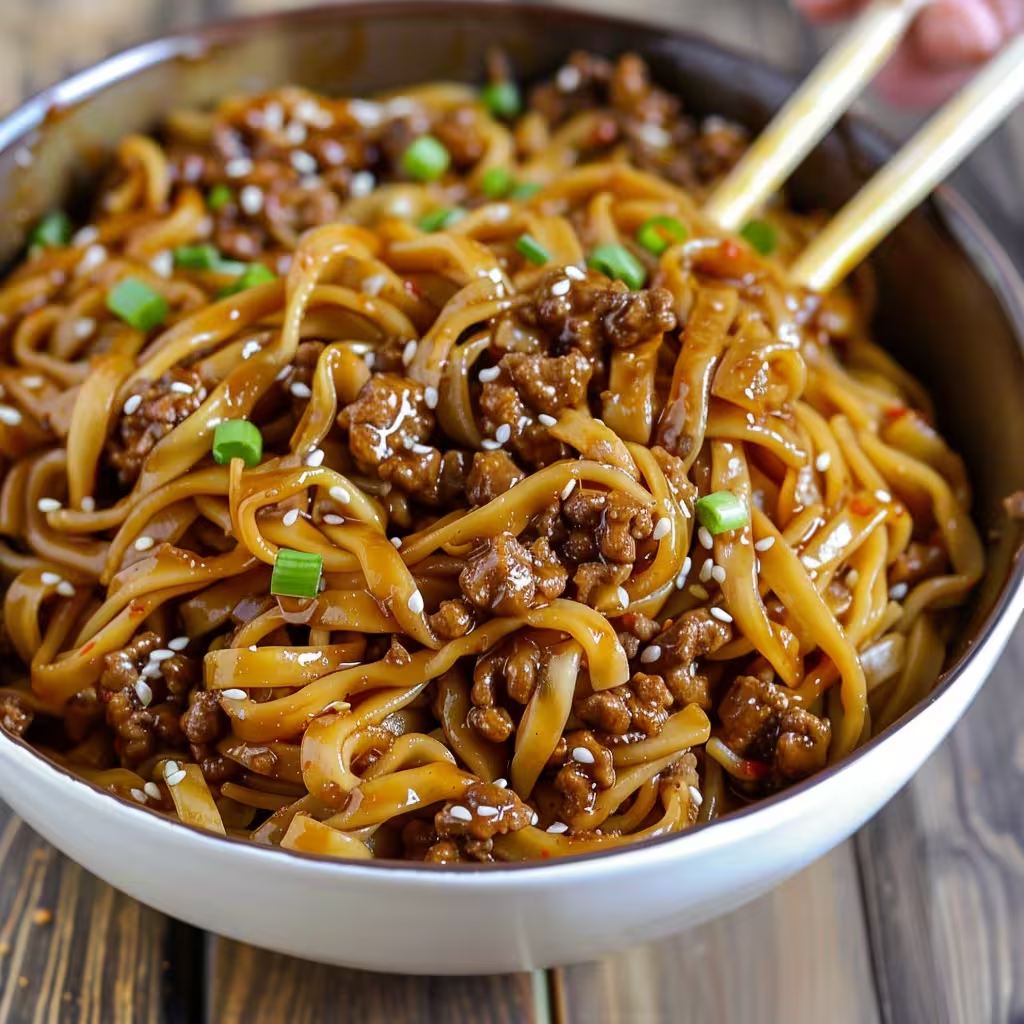
Properly finished should show linguini noodles completely coated in dark glossy Mongolian sauce, ground beef pieces distributed throughout, and everything appearing unified with no dry noodles or pooling sauce.
Beautiful Serving and Asian-Takeout Presentation:
Transfer Mongolian Ground Beef Noodles to serving platter or individual bowls/plates. Each serving should deliver tender linguini noodles coated in sweet-savory Mongolian sauce, savory ground beef throughout, ginger-garlic aromatic depth, and complete Asian takeout experience.
Garnish with optional sliced green onions scattered over top for fresh onion bite and color contrast, toasted sesame seeds for nutty crunch and visual appeal, or additional red pepper flakes for heat-lovers creating customized presentation.
Serve immediately while hot with optional accompaniments: sriracha or chili oil for heat, lime wedges for brightness, or simple cucumber salad for cooling contrast.
Professional Tips for Perfect Results
Don’t Rinse Noodles: Starchy coating helps sauce adhere. Rinsing creates slippery noodles that won’t hold sauce.
Simmer Full Time: Ten-fifteen minutes reduces sauce properly. Shorter creates watery result; sauce must thicken.
Drain Excess Beef Fat: Moderate fat (2-3 tablespoons) adds flavor. Excess creates greasy sauce.
Cook Garlic Briefly: One minute creates fragrance. Longer burns creating bitter taste.
Use Medium-High for Browning: High heat creates proper beef browning. Low heat steams preventing caramelization.
Toss Noodles Thoroughly: Complete tossing ensures even coating. Insufficient tossing creates dry spots and sauce pools.
Adjust Sweetness: Brown sugar provides signature sweetness. Reduce to 2-3 tablespoons if preferring less sweet.
Use Quality Hoisin: Hoisin sauce is essential—provides fermented complexity. Skipping changes entire flavor profile.
Troubleshooting Common Issues
Watery Sauce: Results from insufficient simmering. Reduce uncovered 10-15 minutes until thickening to coating consistency.
Too Sweet: Indicates excess brown sugar. Reduce to 2-3 tablespoons or add 1 tablespoon rice vinegar for balance.
Bland Flavor: Results from under-seasoning or skipping hoisin. Use all sauce components and season adequately.
Dry Noodles: Caused by insufficient sauce or over-reduction. Thin sauce with broth if too thick.
Burnt Garlic: Indicates heat too high or cooking too long. Use medium-high and cook garlic only 1 minute.
Greasy Texture: Results from not draining beef fat. Drain excess grease leaving only 2-3 tablespoons.
Clumpy Noodles: Caused by rinsing or overcooking. Don’t rinse and cook to al dente for proper texture.
Creative Variations and Adaptations
While the classic ground beef-linguini version represents Asian-American fusion perfection, this recipe provides foundation for variations:
Vegetable Addition: Add broccoli, bell peppers, snap peas for enhanced nutrition and color.
Chicken Substitute: Use ground chicken or turkey for poultry variation maintaining same method.
Rice Noodles: Use rice noodles or lo mein instead of linguini for authentic Asian texture.
Spicy Version: Double red pepper flakes or add sriracha for increased heat.
Peanut Butter: Add 2 tablespoons peanut butter for Thai-inspired nutty variation.
Orange Variation: Add 2 tablespoons orange juice and 1 teaspoon orange zest for citrus twist.
Cashew Crunch: Top with roasted cashews for nutty crunch similar to Mongolian beef.
Storage and Reheating Guidelines
Mongolian Ground Beef Noodles achieve optimal texture when served hot immediately after preparation, showcasing perfect balance between glossy sauce and tender noodles throughout. Store leftover noodles in airtight container refrigerated for up to 3-4 days. Reheat portions in microwave 2-3 minutes adding splash of beef broth or water to loosen sauce, or reheat in skillet over medium heat stirring frequently and adding liquid as needed. Can freeze for up to 2 months—thaw overnight refrigerated and reheat as directed adding liquid to restore sauce consistency.
Nutritional Information and Weeknight Value
This satisfying complete meal provides dinner nutrition with approximately 500-600 calories per serving, substantial protein from beef (25-30g per serving), moderate carbohydrates from noodles and brown sugar, moderate fat from beef, iron from beef, and complete family-friendly experience suitable for weeknight dinners, meal prep, Asian cravings, takeout alternatives, and whenever easy impressive noodle bowls and sweet-savory flavors are desired. The one-pan preparation creates ultimate convenience while Mongolian sauce ensures restaurant character celebrating Asian-American fusion culture and modern quick-cooking efficiency.
Frequently Asked Questions
Q: Can I use different noodles? A: Yes, spaghetti, fettuccine, lo mein, udon, or rice noodles all work. Adjust cooking time per package directions.
Q: Why is my sauce watery? A: Simmer uncovered full 10-15 minutes allowing evaporation. Sauce must reduce to thick coating consistency.
Q: Can I use ground turkey? A: Yes, ground turkey or chicken work maintaining same method. Slightly leaner but equally delicious.
Q: What if sauce is too sweet? A: Add 1-2 tablespoons rice vinegar or reduce brown sugar to 2-3 tablespoons for less sweetness.
Q: Can I make this less salty? A: Use low-sodium soy sauce and low-sodium beef broth reducing overall sodium while maintaining flavor.
Q: What’s hoisin sauce? A: Chinese fermented soybean sauce providing sweet umami depth. Essential for authentic Mongolian flavor—find in Asian aisle.
Q: Can I add vegetables? A: Yes, broccoli, bell peppers, snap peas, carrots all work. Add with beef or stir-fry separately and add at end.
Q: How do I prevent noodles from sticking? A: Don’t rinse after cooking (starch helps sauce adhere) and toss immediately with sauce preventing clumping.
This Mongolian Ground Beef Noodles recipe represents the perfect embodiment of Asian-American takeout excellence, delivering extraordinary results that transform simple ground beef into restaurant-worthy experiences that accommodate weeknight schedules while maintaining the authentic sweet-savory character and impressive glossy presentation of genuine Mongolian beef preparation, showcasing fundamental principles of proper sauce reduction technique and strategic brown sugar-hoisin balance that make every forkful a celebration of Chinese-American fusion innovation, Mongolian beef tradition, and the superior satisfaction that only thoughtful one-pan noodle methodology can provide, elevating accessible ingredients into delicious, dinner-defining perfection that represents the ultimate expression of Asian noodle bowl mastery and contemporary takeout-alternative success.
Mongolian Ground Beef Noodles: The Ultimate Sweet-Savory Asian Skillet with Hoisin-Soy Excellence
Ingredients
Method
- Noodles: Cook the linguini according to package instructions. Drain well and set aside.
- Brown: In a large skillet over medium-high heat, sauté the ground beef until it is completely browned and no longer pink. Drain off any excess grease if desired.
- Aromatics: Stir in the ginger paste and minced garlic. Sauté for about 60 seconds until you can smell the aroma.
- The Glaze: Pour in the beef broth, soy sauce, hoisin sauce, and brown sugar. Add the black pepper and red pepper flakes.
- Simmer: Reduce the heat to low and simmer for 10–15 minutes. This is the most important step—the sauce needs time to reduce and thicken into a syrupy consistency.
- Toss: Add the cooked linguini directly into the skillet. Use tongs to toss the noodles until they are fully coated in the dark, glossy sauce.
- Serve: Plate immediately and top with sliced green onions and a sprinkle of sesame seeds for a fresh crunch.
Notes
- Noodle Swap: While linguini is great for holding onto thick sauces, this recipe also works perfectly with lo mein noodles, rice noodles, or even spaghetti.
- Texture Hack: If you want the sauce to be even thicker or “stickier” more quickly, you can whisk 1 tsp of cornstarch into the beef broth before adding it to the pan.
- Add Veggies: To turn this into a one-pan meal, toss in some shredded carrots, broccoli florets, or snap peas during the last 5 minutes of simmering the sauce.