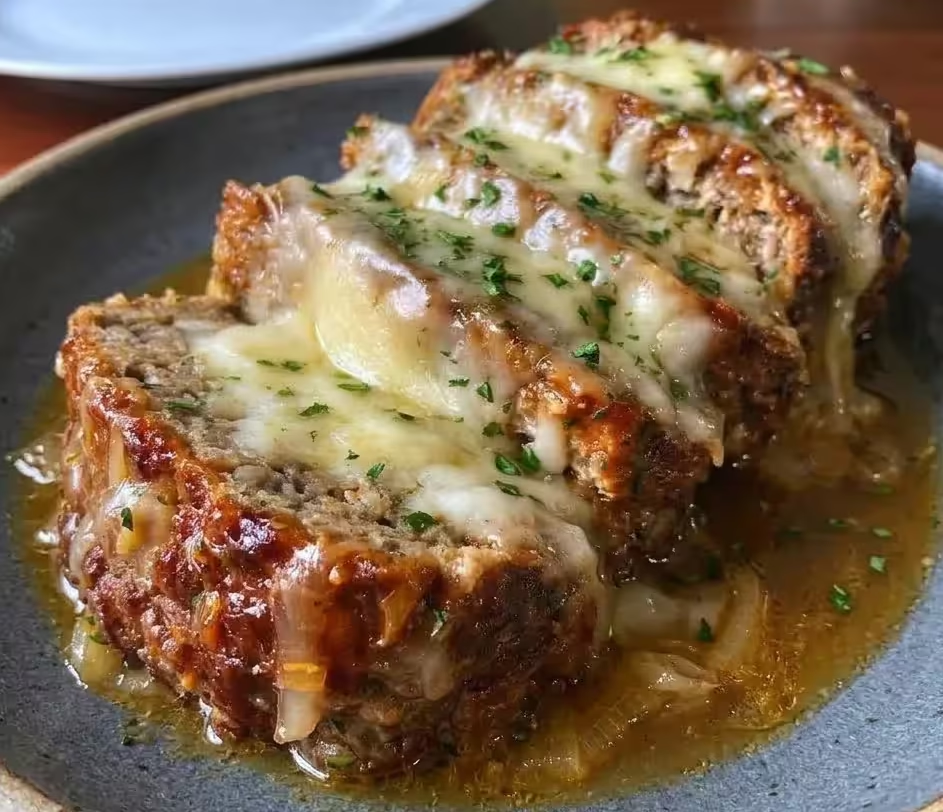
This extraordinary Cheese Stuffed Meatloaf recipe represents the pinnacle of American comfort food innovation and hidden-cheese artistry, masterfully combining the tender, savory perfection of seasoned ground meat with the melted, gooey abundance of three-cheese filling through revolutionary layered-loaf methodology that creates an exceptional family-dinner experience celebrating both traditional American meatloaf heritage and contemporary cheese-pull sophistication. The genius of this remarkable creation lies in its sophisticated understanding of meatloaf edge-sealing technique, strategic saltine binder utilization, and balanced Worcestershire-ketchup seasoning depth, where simple accessible ingredients meet diner-quality results within a harmonious composition that delivers Sunday-supper-worthy outcomes through careful layering methods, embodying both classic American comfort food traditions and modern cheese-stuffed innovation in every perfectly glazed, cheese-oozing, satisfaction-defining slice that transforms basic ingredients into extraordinary celebration experiences.
The Art of Cheese-Stuffed Meatloaf Construction and Edge-Sealing Cheese-Containment Mastery
Cheese Stuffed Meatloaf represents the evolution of traditional American meatloaf cuisine, where classic breadcrumb-bound methodology meets modern cheese-stuffed technique to create dinner masterpieces that celebrate the fundamental principles of proper meat binding while delivering the beloved flavors and impressive molten-cheese surprise that define exceptional stuffed meatloaf excellence. Born from the desire to create show-stopping family dinners through strategic cheese-layer positioning, expert saltine-cracker binding methodology, and the transformative power of the meat-cheese-ketchup trinity, this recipe embodies the philosophy of “accessible diner elegance” – where beloved traditional meatloaf is elevated through cheese-stuffing format and thoughtful edge-sealing technique that honor both classic American heritage and contemporary cheese-pull requirements. The loaf’s transformation from raw mixture to glazed, cheese-filled perfection demonstrates how proper understanding of half-and-half layering, edge-sealing to prevent leakage, and optimal ketchup-glaze timing can create consistently extraordinary results that satisfy both traditional meatloaf enthusiasts and modern cheese-stuffed connoisseurs.
Understanding the Science of Saltine-Cracker Panade Moisture-Retention and Three-Cheese Melt-Point Temperature-Control Mastery
The success of this Cheese Stuffed Meatloaf recipe lies in the masterful orchestration of protein binding, moisture retention, and cheese melt timing that creates optimal tender-yet-sliceable texture while maintaining cheese containment and achieving perfect ketchup-caramelized glaze throughout the preparation process. The strategic crushed saltine foundation provides essential bread-crumb binding and superior moisture absorption, where saltine crackers create panade (bread-liquid mixture) preventing dry crumbly texture, proper ratio ensures cohesive loaf, and adequate binding allows sealing defining exceptional stuffed meatloaf character. The carefully executed cheese-layer positioning ensures optimal melting without escaping and prevents cheese overflow that creates rather than compromises diner-quality results, while the expertly applied ketchup glaze provides signature sweet-tangy caramelized crown and traditional American finish that elevates the entire meatloaf experience to comfort food sophistication and Sunday-dinner perfection.
Ingredients (Makes 6-8 Servings)
Essential Meatloaf Base:
- 2 pounds (900g) ground meat (ground beef 80/20 or 85/15, or combination of beef + ground pork/Italian sausage/ground turkey for flavor variation), for protein base
- ½ cup (approximately 50g or 15-20 crackers) crushed saltine crackers (or plain breadcrumbs/panko as substitute), for binding and moisture retention
- 1 large egg, at room temperature, for protein binding
- 3 cloves garlic (approximately 1 tablespoon minced), crushed or minced, for aromatic pungency
- 1 small yellow onion (approximately 4 ounces/113g), chopped finely into ¼-inch pieces, for aromatic moisture
- Salt to taste (approximately 1 teaspoon suggested), for seasoning
- Black pepper to taste (approximately ½ teaspoon suggested), for subtle warmth
- ¼ cup (60ml) ketchup (or BBQ sauce for smokier flavor), for moisture and flavor in meat mixture
- 2 tablespoons (30ml) Worcestershire sauce, for umami savory depth
Critical Three-Cheese Filling:
- 4 slices Swiss cheese (approximately 3-4 ounces/85-113g), for nutty melted layer
- ¼ cup (28g) shredded Colby cheese, for mild orange cheese component
- ¼ cup (28g) shredded Monterey Jack cheese, for creamy white cheese component
Essential Ketchup Glaze:
- Additional ketchup (or BBQ sauce—approximately ¼-⅓ cup/60-80ml), for brushing top creating caramelized glaze
Optional Enhancement Elements:
- 1 teaspoon Italian seasoning in meat mixture
- ½ teaspoon smoked paprika for depth
- 2 tablespoons milk mixed with saltines for panade
- ½ cup diced bell pepper in meat mixture
- Bacon strips laid over top for bacon-wrapped variation
- Brown sugar mixed with ketchup for sweeter glaze
- Fresh parsley for garnish
Essential Equipment Requirements:
- 9×5-inch loaf pan (standard meatloaf pan) for baking
- Non-stick cooking spray for greasing
- Large mixing bowl for meat mixture
- Clean hands or wooden spoon for mixing
- Brush or spoon for applying glaze
- Instant-read thermometer (recommended) for checking doneness
Instructions
Strategic Oven Preheating and Pan Preparation:
Position oven rack in center and preheat to 350°F (175°C)—this moderate temperature ensures meatloaf cooks through completely while developing caramelized ketchup glaze without burning. Generously spray 9×5-inch loaf pan with non-stick cooking spray coating bottom and sides thoroughly. Set prepared pan aside.
Professional Meatloaf Mixture Preparation and Complete Blending:
In large mixing bowl, combine 2 pounds ground meat, ½ cup crushed saltine crackers, 1 egg, 3 cloves crushed/minced garlic, chopped small onion, salt (approximately 1 teaspoon suggested), black pepper (approximately ½ teaspoon suggested), ¼ cup ketchup, and 2 tablespoons Worcestershire sauce.
Using clean hands (preferred method—wearing disposable gloves optional) or wooden spoon, gently mix ingredients together for 1-2 minutes just until combining completely and seasonings distribute evenly throughout meat—properly mixed should appear uniform with visible onion and garlic pieces throughout, crushed saltines incorporated creating cohesive mixture, and ingredients holding together when pressed.
Critical mixing principle: Mix just until combined. Overmixing develops protein networks excessively creating dense tough texture. Gentle handling maintains tender result.
Properly finished meat mixture should appear cohesive, hold together when pressed, smell of garlic and Worcestershire, and show no dry cracker pockets or unmixed egg streaks.
Strategic Half-Mixture Division and Layer Preparation:
Divide mixed meatloaf mixture in half creating two equal portions (approximately 1 pound each portion)—eyeball division or use kitchen scale for precision if desired.
Expert First-Layer Placement and Pan Coverage:
Take first half (approximately 1 pound) of meat mixture and place in prepared greased loaf pan. Using hands or spoon, press meat mixture evenly across bottom of pan and slightly up sides (approximately ½-1 inch up sides) creating meat “bowl” or cavity for cheese filling—properly shaped should show relatively even meat layer approximately ¾-1 inch thick across bottom with slight walls up sides creating depression for cheese.
Important shaping note: Slight walls up sides help contain cheese preventing escape during baking.
Beautiful Three-Cheese Layering and Complete Coverage:
Arrange 4 Swiss cheese slices over first meat layer in pan, overlapping slightly to create complete cheese coverage across meat surface—Swiss slices should cover most or all visible meat creating cheese blanket.
Sprinkle ¼ cup shredded Colby cheese evenly over Swiss cheese slices. Sprinkle ¼ cup shredded Monterey Jack cheese over Colby creating three-cheese layer—properly layered should show Swiss slices as base with shredded cheeses scattered across top creating generous cheese filling.
Critical cheese positioning: Keep cheese layer approximately ½-¾ inch from edges of meat creating border preventing cheese from touching pan sides where it could escape.
Strategic Second-Layer Covering and Complete Sealing:
Take second half (approximately 1 pound) of remaining meat mixture. Gently flatten between hands or on clean surface creating flat patty roughly same size as loaf pan opening. Carefully place flattened meat patty over cheese layer, covering completely.
Using fingers, press down gently on top meat layer, then most importantly, press and seal all around edges where top and bottom meat layers meet—critical sealing step ensures cheese stays contained inside during baking preventing leakage. Press edges together firmly creating tight seal all the way around perimeter.
Properly sealed should show top and bottom meat layers pressed together around entire edge creating unified loaf with cheese completely enclosed inside, no visible cheese at edges, and smooth top surface.
Absolutely critical sealing: Thorough edge-sealing prevents cheese from escaping during baking. Unsealed edges create cheese leakage and messy pan.
Perfect Ketchup Glaze Application and Even Coverage:
Using pastry brush or back of spoon, spread additional ketchup (or BBQ sauce—approximately ¼-⅓ cup) evenly over entire top surface of sealed meatloaf creating generous coating—glaze should cover top completely from edge to edge.
Properly glazed should show ketchup coating entire visible top surface creating shiny reddish layer that will caramelize during baking.
Optimal Baking and Complete Doneness:
Transfer glazed meatloaf in loaf pan to preheated 350°F oven on center rack. Bake uncovered for approximately 60-70 minutes (begin checking at 60 minutes) until meatloaf reaches safe internal temperature of 160°F (71°C) for ground beef (165°F/74°C if using ground turkey/chicken) when tested with instant-read thermometer inserted into center (avoid hitting cheese pocket which reads hotter)—properly baked should show ketchup glaze caramelized and darkened, edges pulling slightly from pan sides, juices running clear, and thermometer reading proper temperature.
Important temperature monitoring: Always verify 160°F (beef/pork) or 165°F (poultry) internal temperature for food safety. Visual cues can mislead—temperature is definitive.
During baking, ketchup glaze caramelizes creating signature sweet-tangy glazed crown.
Critical Resting Period and Juice Redistribution:
Once meatloaf reaches proper internal temperature and ketchup glaze caramelizes, remove pan from oven and place on heat-proof surface or wire rack. Let meatloaf rest in pan for 10-15 minutes minimum (15 minutes preferred)—resting is essential allowing meat proteins to relax and juices to redistribute throughout loaf rather than running out when sliced, and allows molten cheese to set slightly for cleaner slicing.
Properly rested should show juices reabsorbed into meat, cheese firmed slightly from molten-hot to warm-melted, and temperature comfortable for serving while remaining hot.
Beautiful Slicing and Cheese-Pull Presentation:
After 10-15 minute rest, carefully run knife around edges of loaf pan loosening meatloaf from sides. Using spatula or lifting by parchment if used, carefully transfer meatloaf to cutting board or serving platter.
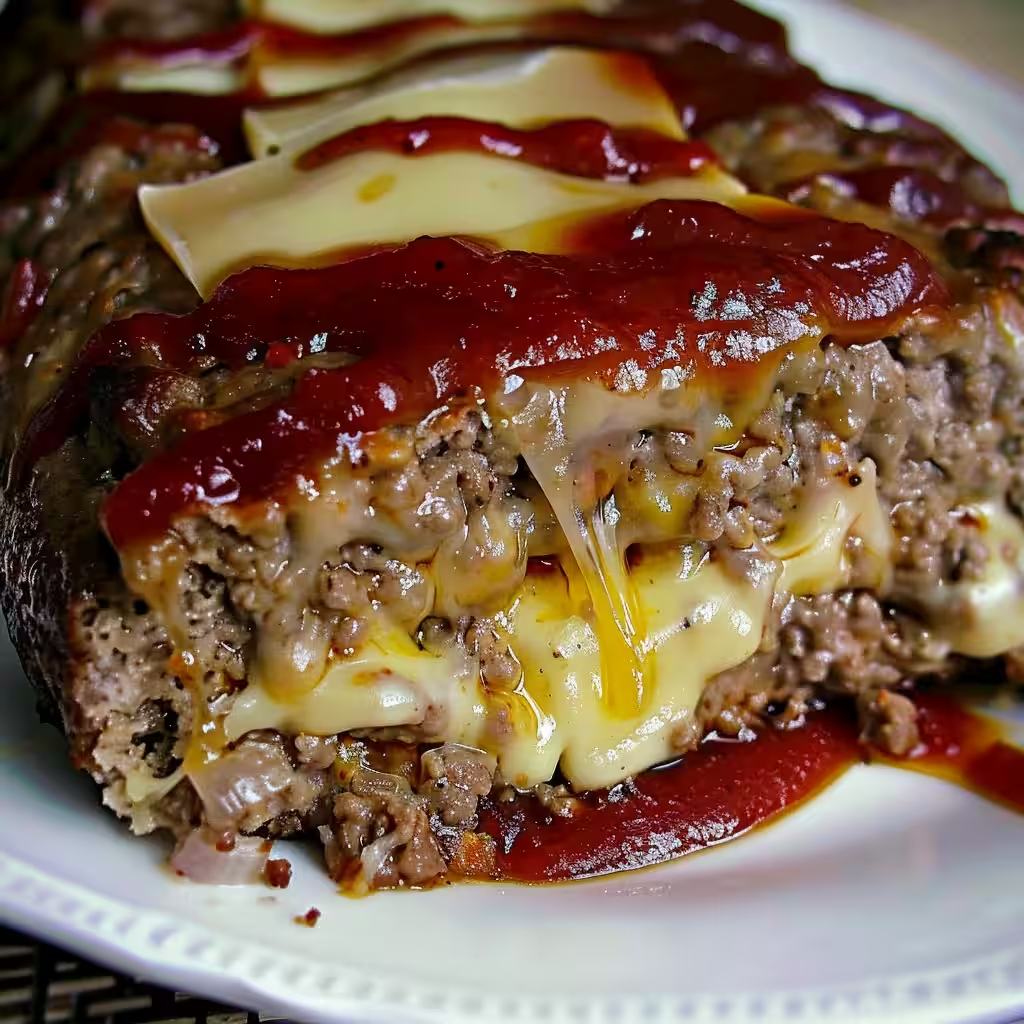
Using sharp knife wiped clean between cuts, slice meatloaf crosswise into ¾-1 inch thick slices revealing beautiful cross-section showing outer meat layer, three-cheese molten filling in center, and caramelized ketchup glaze on top—properly rested should slice cleanly showing distinct layers with cheese oozing slightly (not pouring out) creating attractive presentation.
Properly sliced should show each piece with outer seasoned meat, visible three-cheese layer in center creating “cheese-pull” when served warm, and glazed ketchup-caramelized top.
Transfer slices to individual serving plates. Each serving should deliver tender seasoned meatloaf exterior, molten three-cheese filling (Swiss-Colby-Monterey Jack) providing cheese-pull, sweet-tangy caramelized ketchup glaze, and complete American comfort food experience.
Serve hot with complementary sides: mashed potatoes, green beans, corn, coleslaw, or mac and cheese creating traditional American dinner.
Professional Tips for Perfect Results
Seal Edges Completely: Thorough edge-pressing prevents cheese escape. Unsealed creates messy leakage.
Don’t Overmix Meat: Mix just until combined. Excessive mixing develops proteins creating dense tough texture.
Use Room Temperature Egg: Room-temp egg incorporates smoothly. Cold egg doesn’t bind as effectively.
Rest Full 15 Minutes: Extended rest redistributes juices and firms cheese. Immediate slicing creates juice loss and cheese pour-out.
Check Temperature: Always verify 160°F (beef) or 165°F (poultry) for food safety using thermometer.
Keep Cheese from Edges: Half-inch border prevents cheese touching pan where it could escape.
Don’t Skip Glaze: Ketchup glaze creates signature caramelized sweet-tangy crown essential to meatloaf character.
Use Loaf Pan: Standard 9×5-inch loaf pan creates proper shape. Free-form loaf difficult to seal and shape cheese layer.
Troubleshooting Common Issues
Cheese Leaked Out: Results from insufficient edge sealing or cheese too close to edges. Seal thoroughly and keep cheese ½ inch from borders.
Dry Meatloaf: Indicates overcooking or too-lean meat. Cook to exactly 160°F and use 80/20 or 85/15 ground beef.
Falls Apart When Slicing: Caused by insufficient resting or overmixing. Rest 10-15 minutes and mix gently just until combined.
Dense Texture: Results from overmixing. Mix meat mixture just until ingredients combine using gentle handling.
Undercooked Center: Indicates insufficient baking. Use thermometer verifying 160°F throughout thickest part.
Burnt Glaze: Caused by oven too hot or excessive baking. Use exactly 350°F and tent with foil if browning too quickly.
Crumbly Texture: Results from insufficient binder or too-lean meat. Use full ½ cup saltines and meat with some fat (80/20 or 85/15).
Creative Variations and Adaptations
While the classic three-cheese version represents American comfort perfection, this recipe provides foundation for variations:
Bacon-Wrapped: Lay bacon strips over ketchup-glazed top for smoky bacon-wrapped variation.
Italian Style: Use Italian sausage, mozzarella-provolone filling, marinara glaze for Italian meatloaf.
Pepper Jack Spicy: Use pepper jack cheese filling for spicy kick.
BBQ Glaze: Use BBQ sauce instead of ketchup for smokier Southern variation.
Mushroom Swiss: Add sautéed mushrooms to filling with Swiss for enhanced umami.
Cheddar Bacon: Use cheddar cheese, add cooked crumbled bacon to filling.
Turkey Lighter: Use ground turkey for leaner variation (cook to 165°F).
Storage and Reheating Guidelines
Cheese Stuffed Meatloaf achieves optimal texture when served hot immediately after resting, showcasing perfect balance between tender meat and melted cheese throughout. Store leftover meatloaf wrapped tightly in refrigerator for up to 3-4 days. Reheat slices in microwave 1-2 minutes or entire loaf wrapped in foil in 350°F oven for 20-25 minutes until warmed through to 165°F. Can freeze cooked meatloaf wrapped tightly for up to 3 months—thaw overnight refrigerated and reheat as directed. Makes excellent meatloaf sandwiches cold or reheated.
Nutritional Information and Comfort-Food Value
This hearty satisfying meal provides complete dinner nutrition with approximately 450-550 calories per serving, exceptional protein from beef and cheese (35-40g per serving), moderate carbohydrates from saltines and ketchup, substantial fat from beef and cheese, calcium from cheese, iron from beef, and complete family-friendly experience suitable for Sunday dinners, comfort food cravings, potluck contributions, family gatherings, and whenever classic American meatloaf and cheese-pull surprise are desired. The cheese-stuffed format creates show-stopping presentation while ketchup glaze ensures traditional American character celebrating comfort food culture and family-dinner tradition.
Frequently Asked Questions
Q: Can I use breadcrumbs instead of saltines? A: Yes, plain breadcrumbs or panko work as substitute. Use same ½ cup measurement maintaining binding.
Q: Why did cheese leak out? A: Insufficient edge sealing or cheese too close to edges. Press edges firmly all around and keep cheese ½ inch from borders.
Q: Can I use different cheese? A: Yes, cheddar, mozzarella, pepper jack all work. Use approximately ½-¾ cup total cheese maintaining layers.
Q: How do I know it’s done? A: Use instant-read thermometer—must reach 160°F internal for ground beef (165°F for turkey) for food safety.
Q: Can I make this ahead? A: Yes, assemble completely unbaked, cover tightly, refrigerate up to 24 hours. Bake when ready adding 10 minutes to time.
Q: What if I don’t have loaf pan? A: Form free-form loaf on baking sheet but sealing edges more difficult. Loaf pan recommended for best cheese containment.
Q: Can I freeze this? A: Yes, freeze baked meatloaf wrapped tightly up to 3 months. Thaw overnight refrigerated and reheat in oven.
Q: Why rest before slicing? A: Resting redistributes juices preventing loss and allows cheese to firm slightly for cleaner slicing rather than molten pour-out.
This Cheese Stuffed Meatloaf recipe represents the perfect embodiment of American comfort food excellence, delivering extraordinary results that transform simple ground meat into diner-worthy experiences that accommodate family dinners while maintaining the authentic ketchup-glazed character and impressive molten-cheese-filled presentation of genuine American meatloaf preparation, showcasing fundamental principles of proper edge-sealing technique and strategic cheese-layer positioning that make every slice a celebration of American culinary innovation, meatloaf tradition, and the superior satisfaction that only thoughtful cheese-stuffed methodology can provide, elevating accessible ingredients into comforting, delicious, dinner-defining perfection that represents the ultimate expression of American meatloaf mastery and contemporary family-meal success.
Cheese Stuffed Meatloaf: The Ultimate American Comfort Classic with Three-Cheese Molten Excellence
Ingredients
Method
- Prep: Preheat your oven to 350°F. Lightly spray a standard loaf pan with non-stick cooking spray.
- Mix: In a large bowl, combine the ground meat, saltines/breadcrumbs, egg, garlic, onion, Worcestershire sauce, and ketchup. Pro Tip: Use your hands to mix until just combined; over-mixing can lead to a dense, tough meatloaf.
- The First Layer: Divide the meat mixture in half. Press the first half firmly into the bottom of the prepared loaf pan.
- Stuff: Layer the Swiss cheese slices over the meat, then sprinkle the shredded Colby and Monterey Jack on top. Keep the cheese slightly away from the absolute edge of the pan.
- Seal: Place the second half of the meat mixture over the cheese. Use your fingers to go around the entire perimeter, pinching the top and bottom meat layers together to create a tight seal.
- Glaze & Bake: Spread a generous layer of ketchup (or BBQ sauce) over the top. Bake for 60 minutes or until the internal temperature reaches 160°F for beef/sausage or 165°F for turkey.
- Rest: Let the meatloaf rest in the pan for 10 minutes before slicing. This prevents the cheese from running out too quickly and keeps the meat juicy.
Notes
- The Saltine Advantage: Using crushed saltine crackers instead of standard breadcrumbs adds a slight saltiness and a lighter, more tender “crumb” to the meatloaf.
- Meat Blend: For the best flavor, try a “Meatloaf Mix” (usually equal parts beef, pork, and veal) or a 70/30 mix of lean ground beef and bulk Italian sausage.
- Airflow Tip: If you prefer a crispier exterior on the sides of your meatloaf, you can form the loaf on a foil-lined baking sheet instead of using a loaf pan.