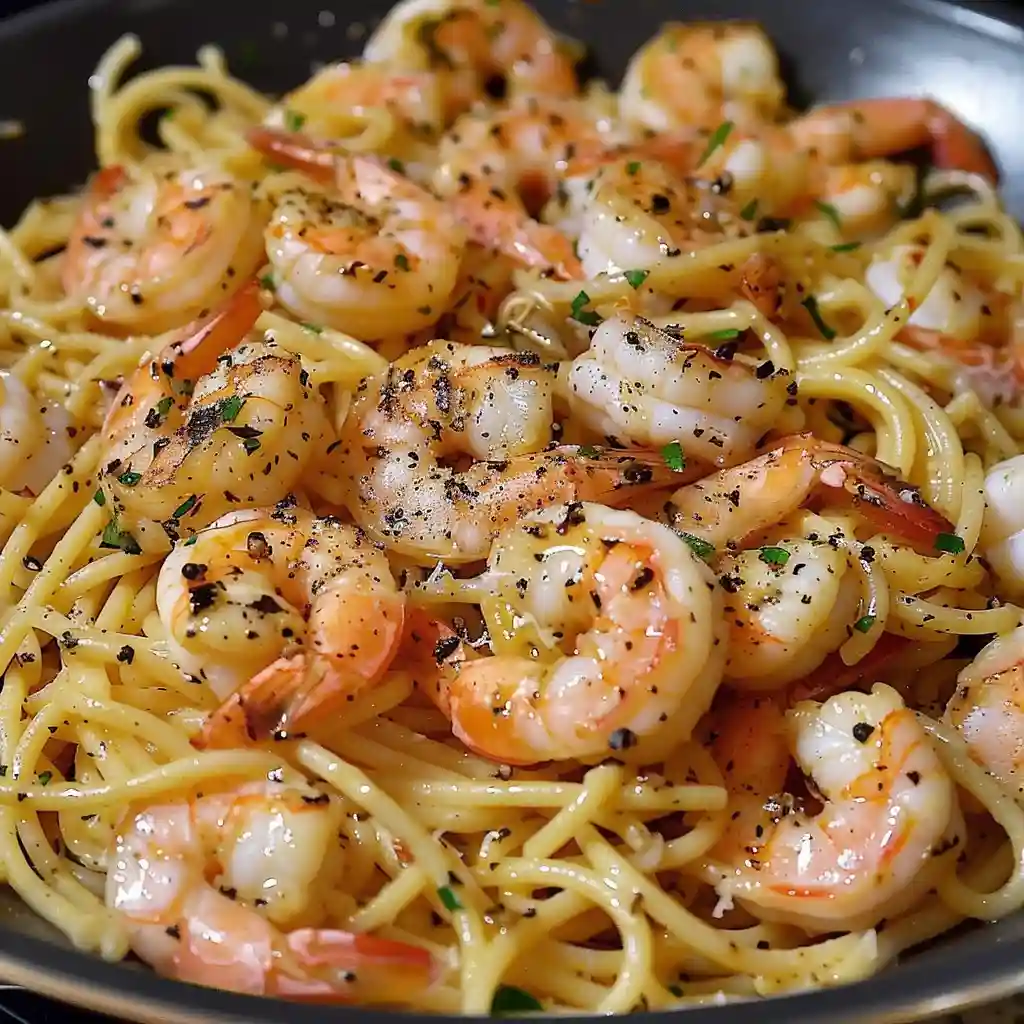
This breathtaking Creamy Garlic Parmesan Shrimp Roll-Up recipe represents the absolute zenith of pescatarian indulgence, masterfully transforming humble crustaceans into a luxurious, bite-sized culinary masterpiece. This is not merely a weeknight seafood dinner; it is an exercise in gastronomic architecture and flavor extraction. By carefully shaping the shrimp into elegant, self-contained spirals and searing them to a precise golden snap, this dish establishes a flawless textural foundation. The true genius of this creation, however, lies in the single-skillet execution: leveraging the caramelized proteins (the fond) left behind by the shrimp to build a velvety, profoundly rich garlic-Parmesan emulsion. It is a dish that delivers five-star, restaurant-quality decadence through accessible, rapid-fire stovetop techniques, proving that extraordinary sophistication can be achieved in mere minutes.
The Art of the Seafood Sear and Emulsion Science
The success of this dish relies on two fundamental pillars of culinary science: Moisture Eradication and Lipid Emulsification.
First, the aggressive drying of the shrimp is non-negotiable. Excess surface moisture lowers the pan temperature, causing the shrimp to steam rather than sear. By patting them completely dry, you guarantee a violent, immediate Maillard reaction upon contact with the hot oil, creating a sweet, caramelized crust.
Second, the sauce is a classic suspension. By melting butter into the searing skillet, you deglaze the pan and capture the concentrated shrimp flavor. The introduction of heavy cream provides a stable fat matrix, while the freshly grated Parmesan acts as both a flavor powerhouse and a thickening agent. The final, critical touch of lemon juice cuts through the heavy dairy, brightening the entire flavor profile and perfectly balancing the rich, savory depth.
Ingredients
The Ocean’s Canvas (The Shrimp Structure):
- 12 large shrimp, peeled and deveined: The foundation. Large or jumbo shrimp provide the necessary surface area and meaty bite for rolling. Tails on or off is a matter of aesthetic preference.
- Salt and freshly ground black pepper, to taste: The fundamental seasoning agents.
- 1 teaspoon garlic powder: For an even, base-level savory distribution across the protein.
- 1 teaspoon Italian seasoning: A complex herbaceous blend (typically oregano, basil, thyme, and rosemary) to elevate the aromatic profile.
- 1 tablespoon olive oil: The high-heat thermal conductor for the perfect sear.
The Liquid Gold Matrix (The Cream Sauce):
- 2 tablespoons butter: The rich, foundational lipid for deglazing and blooming the aromatics.
- 4 cloves garlic, minced: The pungent, aromatic core of the sauce.
- 1 cup heavy cream: The luxurious, stable liquid base that resists curdling under heat.
- 1/2 cup grated Parmesan cheese: The umami-rich thickener.
- 1 teaspoon lemon juice: The essential acid component required to balance the heavy dairy.
- 1 tablespoon chopped fresh parsley: For a burst of clean, botanical color and freshness.
Instructions
1. Hydro-Extraction and Aromatic Coating: Begin by aggressively patting the peeled shrimp completely dry with paper towels. Transfer them to a dry bowl. Season the shrimp evenly with salt, freshly ground black pepper, garlic powder, and Italian seasoning, massaging the spices gently to ensure every millimeter is coated.
2. Architectural Shaping: Gently butterfly the inner curve of the shrimp slightly if needed, then roll them into a tight, aesthetically pleasing curl. The natural tension of the muscle will generally hold this shape, but a small wooden toothpick can be used to secure them if you desire absolute geometric perfection.
3. The Maillard Sear: Heat the olive oil in a premium, heavy-bottomed skillet over medium-high heat. Wait until the oil is shimmering and highly viscous. Introduce the rolled shrimp in a single, uncrowded layer. Sear aggressively for 2 to 3 minutes per side until they transition from translucent to an opaque, vibrant pink with a deeply golden crust. Remove the shrimp immediately to a resting plate to halt the cooking process.
4. Fond Deglazing and Aromatic Blooming: Reduce the heat to medium. Introduce the butter directly into the same skillet, allowing it to melt and mingle with the intensely flavorful browned bits (the fond) left behind by the shrimp. Add the freshly minced garlic and sauté for a mere 30 to 45 seconds—just until highly fragrant. Do not allow the garlic to brown, as this will introduce a bitter profile.
5. The Velvet Matrix Construction: Pour the heavy cream into the skillet, stirring gently with a whisk or wooden spoon as it warms. Once it reaches a gentle simmer, slowly shower in the grated Parmesan cheese. Stir continuously until the cheese melts entirely into the cream, resulting in a glossy, thickened, velvety sauce.
6. Acidic Calibration and Final Integration: Remove the skillet from the direct heat momentarily. Stir in the fresh lemon juice and chopped parsley. Taste the emulsion and calibrate the seasoning with additional salt and black pepper as required. Gently return the resting shrimp (and any accumulated juices) to the pan. Spoon the liquid gold generously over the roll-ups and let them bathe in the residual heat for one minute to harmonize the flavors. Serve immediately.
Professional Tips for Perfect Results
- The Cheese Mandate: You must use a block of fresh Parmesan and grate it yourself. Pre-packaged shredded cheeses contain anti-caking agents (like cellulose) that will absolutely refuse to melt into a smooth sauce, resulting in a gritty, broken texture.
- Heat Discipline: Heavy cream is remarkably stable, but high, boiling heat can still cause the milk solids and fats to separate once the cheese and lemon juice are added. Keep the sauce at a gentle, controlled simmer.
- Size Matters: If substituting medium or small shrimp, entirely forgo the “roll-up” technique, as they will overcook instantly. Reserve this architectural method strictly for large or jumbo varieties.
Troubleshooting Common Issues
- Rubbery Shrimp: The cardinal sin of pescatarian cooking. If the shrimp are tough and tightly coiled like springs, they were left in the pan too long. They require only minutes; pull them the exact second they turn opaque.
- Broken or Grainy Sauce: This occurs if the pan was too hot when the cheese was added, or if pre-shredded bagged cheese was utilized. Remove from heat immediately and vigorously whisk in a tablespoon of cold heavy cream to attempt to re-emulsify.
- Bland Flavor Profile: If the dish feels heavy but lacks “punch,” it is almost certainly under-salted or requires an additional half-teaspoon of lemon juice to cut through the butterfat.
Creative Variations and Adaptations
- The “Fra Diavolo” Spin: Introduce a heavy pinch of crushed red pepper flakes during the garlic-blooming phase for a magnificent, spicy kick that cuts through the cream.
- The Tuscan Enhancement: Fold in a handful of finely chopped sun-dried tomatoes and fresh baby spinach just before returning the shrimp to the pan.
- White Wine Deglaze: Before adding the heavy cream, deglaze the hot pan with a splash of crisp, dry white wine (like Pinot Grigio), allowing it to reduce by half for a sophisticated, acidic depth.
Storage and Reheating Guidelines
Seafood and cream sauces are notoriously delicate. This dish is exponentially better when consumed immediately. However, if you must store it, place it in an airtight container in the refrigerator for up to 2 days. To reheat, do not use a microwave, which will rubberize the shrimp and split the sauce. Instead, reheat gently in a skillet over low heat, adding a splash of milk or water to revive the emulsion, stirring constantly until just warmed through.
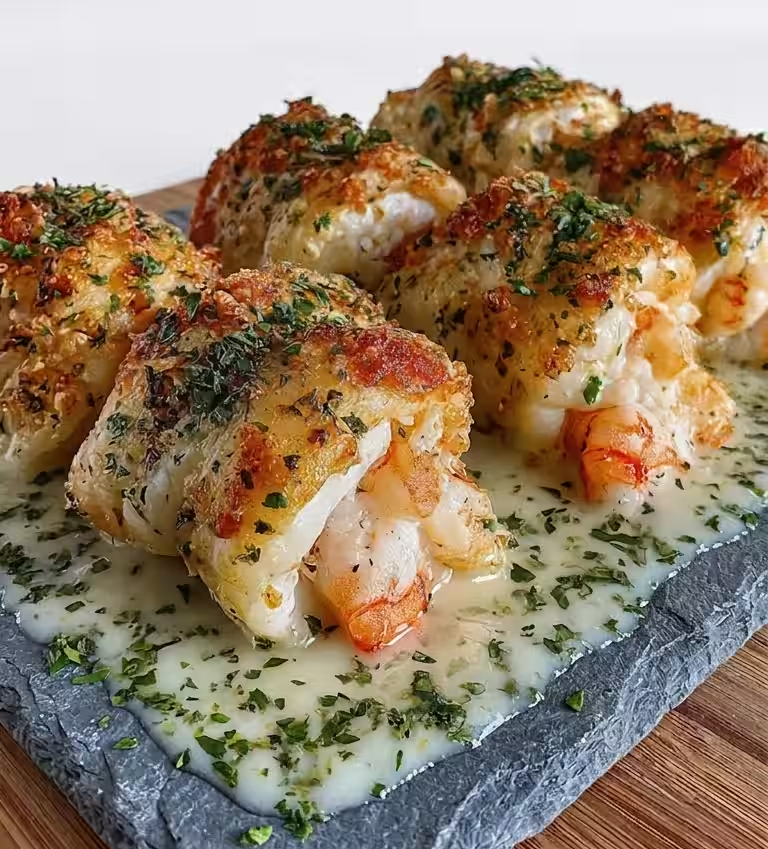
Creamy Garlic Parmesan Shrimp Roll-Ups: A Masterclass in Seafood Elegance and Pan-Sauce Emulsion
Ingredients
Method
- Prep: Pat shrimp dry with paper towels. Season evenly with salt, pepper, garlic powder, and Italian seasoning.
- The “Roll-Up”: Butterfly the shrimp by slicing along the back (not all the way through) and roll them into a tight curl. They should hold their shape as they cook.
- Sear: Heat olive oil in a skillet over medium-high. Sear shrimp for 2–3 minutes per side until pink and firm. Remove and set aside.
- Sauté Garlic: In the same skillet, melt butter over medium heat. Add minced garlic and sauté for about 30 seconds until fragrant (be careful not to brown it).
- Simmer Sauce: Pour in the heavy cream. Stir as it warms and starts to thicken slightly.
- Thicken: Add the Parmesan cheese and whisk or stir until the sauce is smooth and velvety. Stir in the lemon juice and parsley.
- Combine: Return the shrimp to the pan. Spoon the sauce over them and simmer for 1–2 minutes to allow the flavors to meld.
- Serve: Plate immediately while the sauce is at its creamiest.
Notes
- The “Pan Bits”: Don’t wash the skillet after searing the shrimp! Those browned bits (fond) contain concentrated flavor that will season your cream sauce perfectly.
- Serving Suggestion: Serve these over a bed of zucchini noodles or spaghetti squash for a low-carb meal, or toss with linguine if you’re looking for something more substantial.
- Lemon Tip: Always add the lemon juice at the very end. Adding it to boiling cream too early can sometimes cause the sauce to break or curdle.