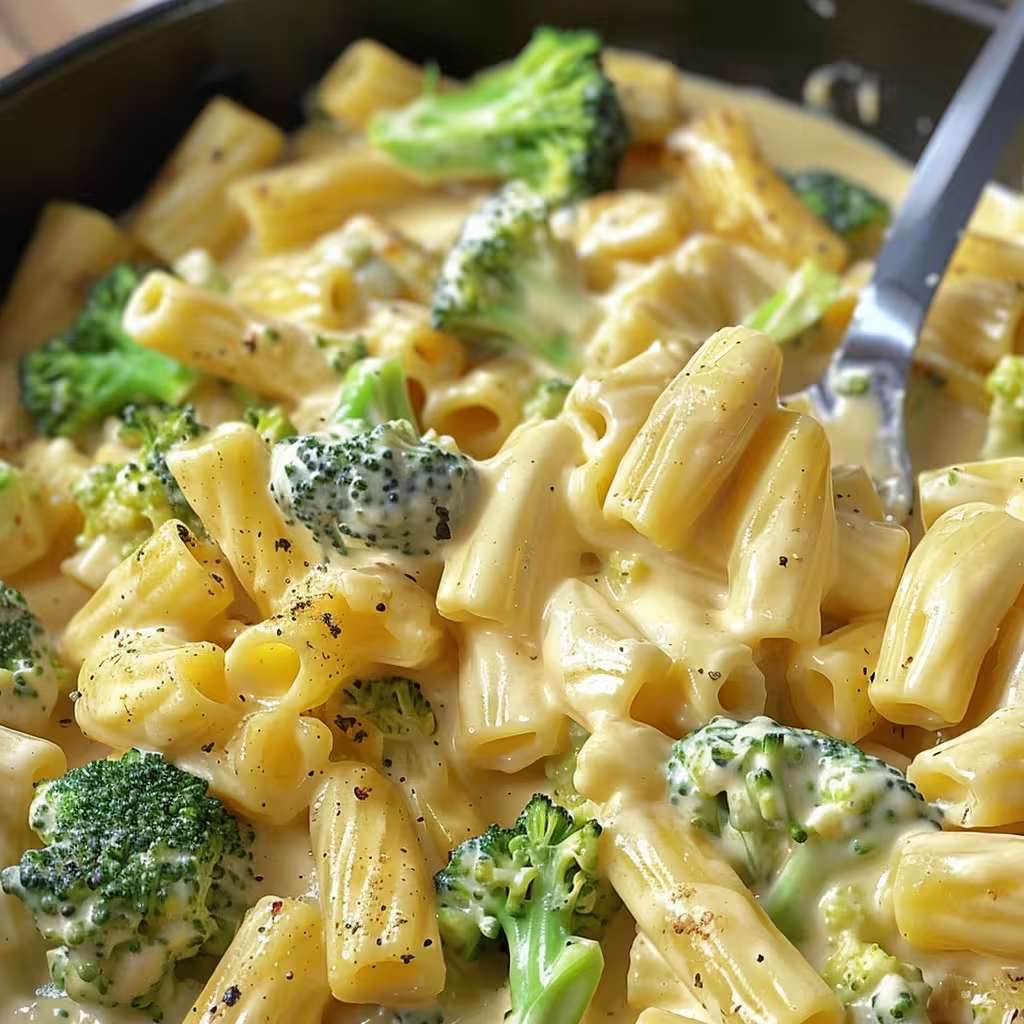
This extraordinary One Pot Broccoli Cheddar Pasta recipe represents the pinnacle of American comfort food innovation and one-pot cooking artistry, masterfully combining the tender, al dente perfection of rigatoni pasta with the rich, sharp abundance of freshly grated cheddar cheese through revolutionary pasta-cooking-in-sauce methodology that creates an exceptional weeknight-dinner experience celebrating both traditional American broccoli-cheddar soup heritage and contemporary one-pot sophistication. The genius of this remarkable creation lies in its sophisticated understanding of starch-absorption technique, strategic heavy cream richness enhancement, and balanced curry-mustard flavor complexity, where simple accessible ingredients meet restaurant-quality results within a harmonious composition that delivers Panera-worthy outcomes through straightforward skillet methods, embodying both classic American cheese-sauce traditions and modern minimal-cleanup innovation in every perfectly creamy, broccoli-studded, satisfaction-defining forkful that transforms basic ingredients into extraordinary family experiences.
The Art of One-Pot Pasta Construction and Pasta-Water Starch-Integration Mastery
One Pot Broccoli Cheddar Pasta represents the evolution of traditional American broccoli-cheddar soup cuisine, where classic separate-pot pasta methodology meets modern cook-in-sauce technique to create dinner masterpieces that celebrate the fundamental principles of proper starch-release pasta cooking while delivering the beloved flavors and impressive single-dish convenience that define exceptional one-pot meal excellence. Born from the desire to create efficient family dinners through strategic pasta-cooks-in-broth approach, expert freshly-grated cheese melting methodology, and the transformative power of the pasta-broccoli-cheddar trinity, this recipe embodies the philosophy of “accessible weeknight elegance” – where beloved traditional broccoli-cheddar soup is reimagined through pasta format and thoughtful curry-powder depth that honor both classic American heritage and contemporary minimal-cleanup requirements. The pasta’s transformation from dry noodles to creamy, sauce-coated perfection demonstrates how proper understanding of liquid-to-pasta ratio, proper simmering temperature, and optimal cheese-melting timing can create consistently extraordinary results that satisfy both traditional comfort-food enthusiasts and modern one-pot cooking connoisseurs.
Understanding the Science of Rigatoni Starch-Release Emulsification and Cheddar Cheese Sodium-Citrate Protein-Network Melting Mastery
The success of this One Pot Broccoli Cheddar Pasta recipe lies in the masterful orchestration of starch gelatinization, protein emulsification, and fat suspension that creates optimal creamy-yet-distinct-noodle texture while maintaining sauce cohesion and achieving perfect cheese integration throughout the preparation process. The strategic cook-pasta-in-broth foundation provides essential starch release and superior sauce body, where pasta releases amylopectin starches creating natural thickening, chicken broth provides savory base and proper liquid ratio, and proper simmering allows absorption without mushiness defining exceptional one-pot pasta character. The carefully executed freshly-grated cheddar addition ensures optimal smooth melting and prevents grainy separation that creates rather than compromises restaurant-quality results, while the expertly timed cream integration provides richness and prevents curdling that elevates the entire pasta experience to comfort food sophistication and weeknight-dinner perfection.
Ingredients (Makes 4-6 Servings)
Essential Aromatic Base:
3 tablespoons (42g) unsalted butter, for rich aromatic foundation
8 ounces (226g) rigatoni pasta (dry, uncooked—tubular shape holds sauce excellently), for starchy base and structure
Essential Liquid Base:
3 cups (720ml) chicken broth (low-sodium or regular—adjust salt based on broth saltiness), for savory cooking liquid
1 cup (240ml) heavy cream (heavy whipping cream), for rich creamy finish
Critical Cheese Element:
2 cups (226g) freshly grated cheddar cheese (sharp or extra-sharp for best flavor—must be freshly grated from block, not pre-shredded which contains anti-caking agents preventing smooth melting), for melted cheese sauce
Essential Vegetable Component:
12 ounces (340g) broccoli, steamed until tender-crisp (approximately 3-4 cups florets), for vegetable nutrition and texture
Critical Seasoning Blend:
½ teaspoon (3g) salt (reduce to ¼ teaspoon if using regular salted broth), for flavor enhancement
½ teaspoon (1.5g) onion powder, for sweet aromatic depth
½ teaspoon (1g) curry powder (mild or regular—adds warm complex depth, not spicy heat), for aromatic complexity
½ teaspoon (1g) dried mustard powder (ground mustard), for tangy sharpness and cheese-sauce character
½ teaspoon (1g) black pepper, freshly ground, for subtle warmth
Optional Enhancement Elements:
¼ teaspoon smoked paprika for smoky depth
¼ teaspoon cayenne pepper for heat
2 tablespoons Dijon mustard instead of dry mustard
½ cup grated Parmesan for additional cheese depth
Crispy bacon bits for topping
Panko breadcrumbs toasted in butter for crunch
Red pepper flakes for heat
Essential Equipment Requirements:
Large deep skillet with lid (12-inch skillet or similar 3-4 quart capacity) for cooking
Wooden spoon or spatula for stirring
Box grater for shredding cheese
Measuring cups and spoons
Pot for steaming broccoli (if not already steamed)
Instructions
Strategic Butter Melting and Aromatic Foundation:
Place large deep 12-inch skillet over medium heat. Add 3 tablespoons butter to skillet. Allow butter to melt completely (approximately 1-2 minutes), swirling pan to coat bottom—properly melted should foam gently and smell aromatic without browning.
Professional Garlic Sautéing and Aromatic Development:
Add 3-4 cloves minced garlic to melted butter in skillet. Cook garlic, stirring constantly, for 1 minute until becoming fragrant and softening but not browning—properly sautéed should smell intensely aromatic, appear translucent, and show no golden color.
Expert Spice Blooming and Flavor Enhancement:
Add ½ teaspoon onion powder, ½ teaspoon dried mustard powder, ½ teaspoon curry powder, ½ teaspoon salt (adjust based on broth saltiness), and ½ teaspoon black pepper to garlic-butter mixture. Stir spices into butter for 1-2 minutes, cooking constantly and allowing spices to bloom (release essential oils and aromatics from heat)—properly bloomed should smell intensely aromatic with curry and mustard notes, appear slightly darker in butter, and create fragrant base.
Important blooming principle: Cooking spices in fat before adding liquid releases and intensifies flavors dramatically. Brief blooming transforms spice character creating deeper complexity.
Beautiful Pasta and Broth Addition and Boiling:
Add 8 ounces dry rigatoni pasta to spiced butter mixture in skillet, stirring to coat pasta with aromatic butter. Pour 3 cups chicken broth over pasta, stirring well to combine and ensuring all pasta pieces submerge as much as possible—properly combined should show pasta covered or mostly covered by broth with aromatic butter-spice mixture distributed throughout.
Increase heat to medium-high and bring mixture to rolling boil (approximately 3-5 minutes)—properly boiling should show vigorous bubbling across entire surface.
Strategic Covered Simmering and Pasta Cooking:
Once mixture reaches full boil, immediately reduce heat to low maintaining gentle simmer. Cover skillet with tight-fitting lid. Cook covered for 10-12 minutes, removing lid and stirring every 3-4 minutes to prevent pasta from sticking to bottom and ensure even cooking—during covered simmering, pasta absorbs broth and releases starches creating creamy base.
After 10-12 minutes covered simmering, pasta should be tender al dente (cooked through with slight firmness when bitten), most liquid absorbed leaving approximately ½-1 cup liquid remaining in pan creating saucy consistency, and mixture appearing creamy from released pasta starches.
Critical timing: Check pasta at 10 minutes. If still firm, continue cooking 2 more minutes. If liquid absorbed too quickly before pasta tender, add ¼-½ cup additional broth and continue cooking.
Expert Heat Reduction and Cream Integration:
Once pasta reaches proper al dente doneness and most broth absorbs, reduce heat to low (lowest setting maintaining warmth without active simmering). Pour 1 cup heavy cream into pasta-broth mixture. Stir cream into pasta for 20-30 seconds until incorporating completely creating unified creamy sauce—properly incorporated should show cream mixed throughout creating pale tan sauce coating pasta.
Strategic Cheese Addition and Smooth Melting:
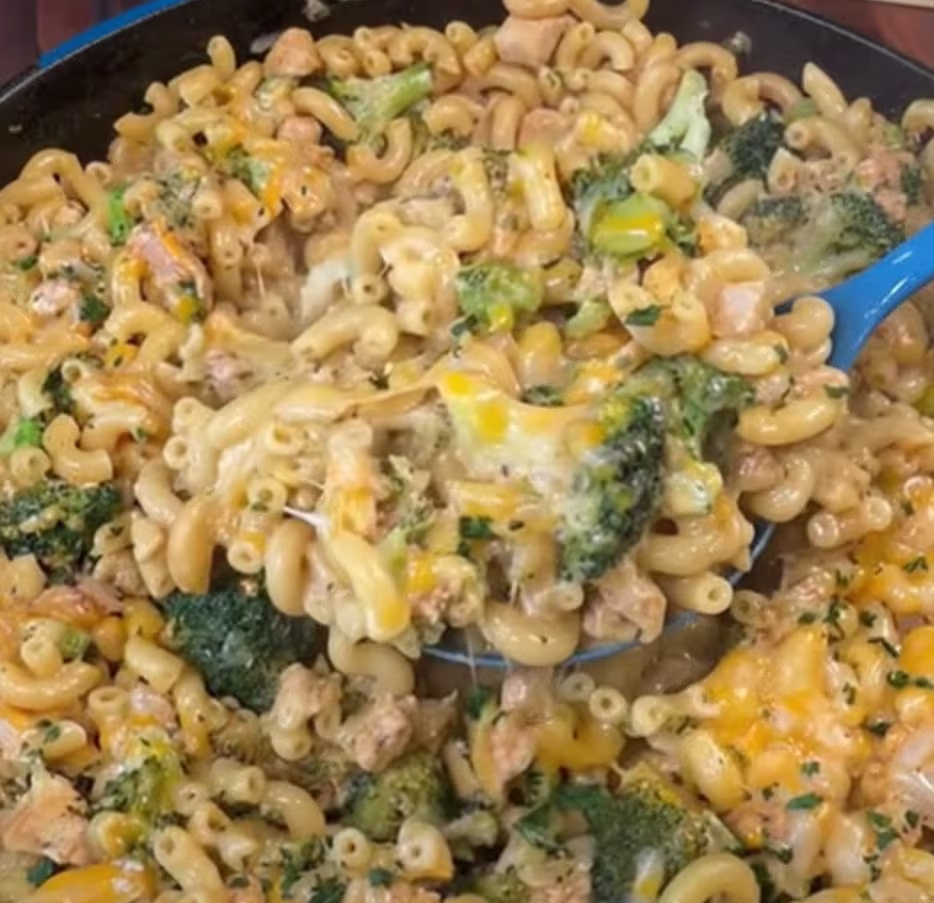
Add 2 cups freshly grated cheddar cheese to pasta-cream mixture. Remove skillet from heat completely (residual heat will melt cheese preventing overheating which causes separation). Stir cheese into hot pasta vigorously for 1-2 minutes until cheese melts completely creating smooth, cohesive cheese sauce coating all pasta—properly melted should appear smooth, glossy, orange-colored (from cheddar), flow like thick cheese sauce, and show no grainy texture or separated oil.
Critical cheese-melting principles: Use low/no heat (residual heat sufficient), add freshly grated cheese (pre-shredded won’t melt smoothly), and stir continuously creating smooth emulsion preventing protein separation.
If cheese doesn’t melt completely, return skillet to very low heat briefly while stirring constantly just until melting—avoid high heat which causes graininess.
Beautiful Broccoli Integration and Complete Assembly:
Add 12 ounces steamed tender-crisp broccoli florets to cheesy pasta in skillet. Using spoon or spatula, gently fold broccoli into pasta for 20-30 seconds until distributing evenly throughout and broccoli coats with cheese sauce—properly combined should show bright green broccoli pieces scattered throughout creamy orange pasta creating attractive color contrast.
Critical Final Thickening and Resting Period:
Once broccoli incorporates completely, remove skillet from heat. Let pasta sit undisturbed for 3-5 minutes allowing sauce to thicken as starches cool slightly and cheese sets—resting creates perfect creamy-thick consistency. During resting, sauce transforms from slightly thin to luxuriously creamy coating consistency.
Properly rested should show sauce thickened noticeably, coat pasta and broccoli uniformly, and achieve restaurant-quality creamy texture.
Perfect Serving and Family-Style Presentation:
After 3-5 minute resting, give pasta final gentle stir redistributing any sauce that settled. Serve One Pot Broccoli Cheddar Pasta hot directly from skillet for family-style rustic presentation, or portion into individual bowls.
Each serving should deliver tender rigatoni tubes coated in rich cheddar cheese sauce, tender-crisp broccoli florets providing vegetable nutrition and texture, subtle curry-mustard complexity creating depth, and complete comfort-food experience in single pot.
Top with optional garnishes: additional shredded cheddar, freshly cracked black pepper, toasted panko breadcrumbs for crunch, or crispy bacon bits creating customized experience.
Professional Tips for Perfect Results
Use Freshly Grated Cheese: Pre-shredded contains anti-caking agents preventing smooth melting. Grate block cheese for silky sauce.
Stir Pasta During Cooking: Every 3-4 minutes prevents sticking and ensures even cooking throughout.
Remove from Heat Before Adding Cheese: Residual heat melts cheese perfectly. Direct heat causes grainy separation.
Use Heavy Cream: Half-and-half or milk creates thin sauce. Heavy cream provides proper richness and body.
Steam Broccoli Separately: Pre-steamed broccoli stays crisp-tender. Cooking in pasta liquid creates mushy texture.
Let Rest Before Serving: Three-five minutes thickens sauce dramatically. Immediate serving creates soupy consistency.
Check Liquid Ratio: If absorbing too quickly, add more broth. If too much remains, simmer uncovered 2-3 minutes.
Troubleshooting Common Issues
Grainy Cheese Sauce: Results from overheating cheese or pre-shredded cheese. Remove from heat before adding freshly grated cheese.
Soupy Consistency: Indicates insufficient cooking time or too much liquid. Simmer uncovered 2-3 minutes or let rest 5 minutes.
Mushy Pasta: Caused by overcooking or excess liquid. Cook only 10-12 minutes and check for al dente doneness.
Bland Flavor: Results from low-sodium broth without salt adjustment or skipping spice bloom. Adjust salt and bloom spices in butter.
Sticky Clumpy Pasta: Indicates insufficient stirring during cooking. Stir every 3-4 minutes preventing sticking.
Separated Oily Sauce: Caused by overheating cheese. Add cheese off heat, stir gently until melting without boiling.
Dry Pasta: Results from too little liquid or high heat. Use full 3 cups broth and maintain gentle simmer.
Creative Variations and Adaptations
While the classic broccoli-cheddar version represents comfort food perfection, this recipe provides foundation for variations:
Bacon Addition: Stir in 1 cup cooked crumbled bacon for smoky richness.
Cauliflower Swap: Use cauliflower instead of broccoli for different vegetable variation.
Spicy: Add ½ teaspoon cayenne or red pepper flakes for heat.
Chicken Addition: Stir in 2 cups cooked diced chicken for complete protein meal.
Gruyère Blend: Use half cheddar, half Gruyère for sophisticated cheese flavor.
White Cheddar: Use white cheddar for milder flavor and different appearance.
Veggie-Loaded: Add carrots, peas, or bell peppers with broccoli for extra vegetables.
Storage and Reheating Guidelines
One Pot Broccoli Cheddar Pasta achieves optimal texture when served hot immediately after cooking, showcasing perfect balance between creamy sauce and tender pasta throughout. Store leftover pasta in airtight container refrigerated for up to 3-4 days—sauce thickens significantly during storage. Reheat portions in microwave 2-3 minutes adding splash of milk or broth to loosen sauce, or reheat in skillet over medium-low heat stirring frequently and adding liquid to restore creamy consistency. Not recommended for freezing as cream sauce and pasta texture deteriorate when thawed.
Nutritional Information and Weeknight Value
This satisfying complete meal provides dinner nutrition with approximately 450-550 calories per serving, moderate protein from cheese (15-18g per serving), moderate carbohydrates from pasta, substantial fat from cream and cheese, vitamin C and fiber from broccoli, calcium from cheese, and complete family-friendly experience suitable for weeknight dinners, busy schedules, one-pot meals, kid-friendly cooking, and whenever creamy comfort pasta and minimal cleanup are desired. The one-pot preparation creates ultimate convenience while fresh cheddar ensures restaurant quality celebrating American comfort food culture and modern efficient cooking.
Frequently Asked Questions
Q: Can I use a different pasta shape? A: Yes, penne, shells, or cavatappi work well. Tubular shapes hold sauce best; adjust cooking time based on pasta size.
Q: Why is my sauce grainy? A: Pre-shredded cheese or overheating causes graininess. Use freshly grated cheese and remove from heat before adding cheese.
Q: Can I use milk instead of cream? A: Whole milk works but creates thinner sauce. For best results, use heavy cream for proper richness.
Q: What does curry powder add? A: Curry provides warm aromatic complexity (not heat). It adds depth mimicking broccoli-cheddar soup character without spice.
Q: Can I make this vegetarian? A: Yes, use vegetable broth instead of chicken broth maintaining same measurements and method.
Q: How do I prevent pasta from sticking? A: Stir every 3-4 minutes during cooking ensuring pasta doesn’t settle and stick to pan bottom.
Q: Can I add the broccoli raw? A: Not recommended—raw broccoli won’t cook properly in short time. Steam separately for tender-crisp texture.
Q: Why let it rest at the end? A: Resting thickens sauce as starches cool and set. Immediate serving creates soupy consistency that thickens as eaten.
This One Pot Broccoli Cheddar Pasta recipe represents the perfect embodiment of American weeknight excellence, delivering extraordinary results that transform simple rigatoni into restaurant-worthy experiences that accommodate busy schedules while maintaining the authentic creamy-cheesy character and impressive one-pot presentation of genuine comfort-food preparation, showcasing fundamental principles of proper pasta-cooks-in-sauce technique and strategic freshly-grated cheese melting that make every forkful a celebration of American comfort food innovation, broccoli-cheddar tradition, and the superior satisfaction that only thoughtful one-pot methodology can provide, elevating accessible ingredients into efficient, delicious, dinner-defining perfection that represents the ultimate expression of one-pot pasta mastery and contemporary weeknight cooking success.
bestfeed
One Pot Broccoli Cheddar Pasta: The Ultimate Creamy Skillet Meal with Fresh-Cheddar Excellence
A creamy, decadent pasta dish that brings the flavors of broccoli cheddar soup into a hearty main course. The rigatoni is simmered in savory chicken broth until tender, then swirled with heavy cream and freshly grated sharp cheddar. A unique spice blend of curry and mustard adds a warm, savory undertone that perfectly complements the steamed broccoli florets.
The Pasta & Base: 8 oz rigatoni3 cups chicken broth, 3 tbsp butter.
The Creamy Elements: 1 cup heavy cream2 cups freshly grated cheddar cheese.
The Veggie: 12 oz steamed broccoli florets.
Aromatics & Spices: 3–4 garlic clovesminced, ½ tsp salt, ½ tsp onion powder, ½ tsp curry powder, ½ tsp dried mustard, ½ tsp black pepper.
Method
Sauté Garlic: In a large, deep skillet over medium heat, melt the butter. Add the minced garlic and sauté for 1 minute until fragrant.
Bloom Spices: Stir in the onion powder, dried mustard, curry powder, salt, and black pepper. Cook for 1–2 minutes to “bloom” the spices in the butter, which intensifies their flavor.
Simmer Pasta: Add the uncooked rigatoni and chicken broth. Bring to a boil, then reduce heat to a simmer. Cover and cook for 10–12 minutes, stirring occasionally, until the pasta is al dente and the liquid is mostly absorbed.
Emulsify: Reduce heat to low. Stir in the heavy cream and then gradually fold in the shredded cheddar. Stir continuously until the cheese is fully melted and the sauce is velvety.
Fold & Rest: Gently fold in the steamed broccoli. Let the pasta sit for 3–5 minutes off the heat; this allows the sauce to thicken and cling to the ridges of the rigatoni.
Serve: Serve warm, perhaps with a crusty piece of bread to soak up the extra sauce.
Notes
Cheese Quality: Use a block of sharp or extra-sharp cheddar and grate it yourself. Pre-shredded cheese contains anti-caking agents that can prevent the one-pot sauce from becoming perfectly smooth.
Spice Secret: Don’t skip the curry powder! It doesn’t make the dish taste like a traditional curry; instead, it provides a golden hue and a savory “umami” that makes the cheddar flavor pop.
Broccoli Tip: If you want to save a step, you can add small, raw broccoli florets directly to the pan during the last 4 minutes of the pasta’s simmering time instead of steaming them separately.