This extraordinary Slow Cooker Onion Soup Pot Roast recipe represents the pinnacle of hands-off dinner innovation and French onion-inspired artistry, masterfully combining the rich, marbled perfection of chuck roast with the sweet, caramelized abundance of slow-cooked onions through revolutionary dump-and-go methodology that creates an exceptional family-dinner experience celebrating both traditional French onion soup heritage and contemporary slow cooker sophistication. The genius of this remarkable creation lies in its sophisticated understanding of collagen breakdown technique, strategic onion soup mix seasoning, and balanced low-temperature braising, where simple accessible ingredients meet Sunday-dinner-quality results within a harmonious composition that delivers pot roast-worthy outcomes through effortless slow cooking methods, embodying both classic American comfort food traditions and modern convenient innovation in every perfectly tender, gravy-soaked, satisfaction-defining forkful that transforms basic ingredients into extraordinary weeknight experiences.
The Art of Slow Cooker Braising Construction and Onion Soup Flavor-Infusion Mastery
Slow Cooker Onion Soup Pot Roast represents the evolution of traditional French pot roast cuisine, where classic braise methodology meets American slow cooker technique to create dinner masterpieces that celebrate the fundamental principles of proper collagen hydrolysis while delivering the beloved flavors and impressive set-it-and-forget-it convenience that define exceptional slow cooker excellence. Born from the desire to create tender fork-cutting roasts through strategic onion foundation layering, expert dry soup mix utilization methodology, and the transformative power of the beef-onion-broth trinity, this recipe embodies the philosophy of “accessible comfort elegance” – where beloved traditional pot roasts are simplified through slow cooker format and thoughtful packet seasoning that honor both classic French onion heritage and contemporary busy-family requirements. The roast’s transformation from tough chuck to fall-apart tenderness demonstrates how proper understanding of low-heat collagen conversion, aromatics placement, and optimal cook time can create consistently extraordinary results that satisfy both traditional pot roast enthusiasts and modern slow cooker connoisseurs.
Understanding the Science of Collagen Hydrolysis and Maillard Browning-Free Tender Beef Mastery
The success of this Slow Cooker Onion Soup Pot Roast recipe lies in the masterful orchestration of connective tissue breakdown, moisture retention, and aromatics extraction that creates optimal fork-tender texture while maintaining beefy flavor and achieving perfect French onion depth throughout the preparation process. The strategic chuck roast foundation provides essential marbling and superior connective tissue content, where intramuscular fat bastes meat during cooking, collagen converts to gelatin creating silky texture, and slow gentle heat prevents drying defining exceptional pot roast character. The carefully executed low-temperature braising ensures optimal tenderness without searing and prevents tough texture that creates rather than compromises Sunday-dinner-quality results, while the expertly applied onion soup mix provides concentrated umami and savory depth that elevates the entire roast experience to French onion sophistication and comfort-food perfection.
Ingredients (Makes 6-8 Servings)
Essential Beef Foundation:
- 3-4 pounds (1.4-1.8kg) chuck roast (also called chuck pot roast, shoulder roast, or blade roast—well-marbled with visible white fat throughout), for rich beefy flavor and tender texture when slow-cooked
- Optional: Salt and black pepper for additional seasoning
Critical Flavoring Components:
- 1 packet (1 ounce/28g) dry onion soup mix (Lipton or similar brand—contains dehydrated onions, beef bouillon, onion powder, and seasonings), for concentrated savory French onion flavor
- 2 cups (480ml) beef broth (low-sodium preferred for salt control, or regular), for braising liquid and gravy base
- 1-2 large yellow onions (approximately 12-16 ounces/340-450g total), sliced into ¼-½ inch thick rounds or half-moons, for sweet caramelized base and traditional French onion character
Optional Aromatic Enhancements:
- 2 cloves garlic, smashed or minced, for savory aromatic depth
- 1 bay leaf, for herbal complexity
- 1 teaspoon dried thyme for additional French onion character
- 2 tablespoons Worcestershire sauce for umami boost
- 1 tablespoon balsamic vinegar for depth
Optional Vegetable Additions:
- 1 pound baby potatoes, halved
- 1 pound carrots, cut into chunks
- 8 ounces mushrooms, halved
- 2 cups pearl onions in addition to sliced
Essential Equipment Requirements:
- 6-quart slow cooker (minimum 5-quart) for proper capacity
- Sharp knife for slicing onions
- Measuring cups for liquids
- Tongs or forks for shredding/slicing
- Serving platter
Instructions
Strategic Slow Cooker Preparation and Onion Foundation Layering:
Place 1-2 large onions (sliced into ¼-½ inch thick pieces) evenly across bottom of 6-quart slow cooker creating uniform layer—onions serve multiple purposes: preventing meat from sticking to bottom, releasing moisture during cooking, caramelizing in beef drippings creating sweet base, and contributing to gravy. Properly arranged onion layer should cover entire slow cooker bottom distributing relatively evenly. If using optional garlic cloves and bay leaf, nestle these among onion slices.
Professional Roast Placement and Optimal Positioning:
Remove 3-4 pound chuck roast from refrigerator and packaging. Pat surface dry with paper towels—surface moisture isn’t critical for slow cooker (unlike pan-searing) but removing excess packaging liquid creates cleaner flavor. If desired for enhanced seasoning, season both sides of roast generously with salt and black pepper—note that onion soup mix contains significant salt, so additional salting is optional and should be light if used.
Place chuck roast directly on top of sliced onion layer in slow cooker—position roast fat-side up if there’s a distinct fatty cap so fat bastes meat during cooking. Roast should fit comfortably in slow cooker with minimal space around sides; snug fit is fine. No searing or browning required—slow cooker method achieves tenderness without Maillard browning step simplifying preparation.
Expert Seasoning Application and Even Distribution:
Open packet of dry onion soup mix. Sprinkle entire contents of packet evenly over top and sides of chuck roast distributing from edge to edge—concentrated seasoning on roast surface infuses deeply during long cooking. Properly applied soup mix should appear as even coating across roast top with some cascading down sides. Don’t worry about complete coverage; seasoning will distribute through liquid during cooking. If using optional Worcestershire sauce or balsamic vinegar, drizzle over seasoned roast at this stage.
Strategic Liquid Addition and Proper Braising Level:
Pour 2 cups beef broth gently into slow cooker around sides of roast rather than directly over top—pouring around sides prevents washing away dry soup mix seasoning from roast surface allowing maximum flavor adherence. Pour slowly allowing broth to settle at bottom mixing with onions and creating braising environment. Properly added liquid should reach approximately ⅓-½ way up sides of roast creating partial submerging for braising—roast will release additional juices during cooking increasing liquid level. Complete submersion isn’t necessary or desired; partial braising with steam creates optimal texture.
Optimal Slow Cooking and Collagen Conversion:
Cover slow cooker with lid ensuring tight seal. Select cooking time and temperature based on schedule:
LOW Setting (Recommended): Cook for 8-10 hours until roast becomes fork-tender and reaches internal temperature of 200-205°F (93-96°C)—longer cooking at lower temperature creates maximum tenderness as collagen fully converts to gelatin. Eight hours produces very tender result; 10 hours creates ultimate fall-apart texture. This setting is ideal for all-day cooking allowing prep before work and dinner upon return.
HIGH Setting (Faster Option): Cook for 5-6 hours until fork-tender and reaching same 200-205°F internal temperature—higher heat accelerates cooking but may create slightly less tender result compared to low. Use when time is limited or starting cooking mid-morning for evening dinner.
Properly cooked roast should pull apart effortlessly with forks, show no resistance when pierced with knife, and have internal temperature well above standard “done” temp (145°F) reaching collagen-conversion temperature of 200-205°F. Cooking to this higher temperature is essential for transforming tough connective tissue into silky tenderness characteristic of pot roast.
Do not lift lid during cooking—each lid removal releases heat requiring 15-20 additional minutes cooking time to recover temperature. Resist checking until minimum time elapses.
Essential Resting and Juice Redistribution:
Once roast reaches proper tenderness after 8-10 hours low (or 5-6 hours high), turn off slow cooker and remove lid. Allow roast to rest in cooking liquid for 15 minutes undisturbed—resting period allows meat fibers to relax, juices to redistribute throughout meat rather than running out when cut, and temperature to stabilize creating easier handling. During resting, beef continues cooking slightly from residual heat, and gravy in bottom continues thickening as it cools slightly from boiling to serving temperature.
Beautiful Slicing or Shredding and Tender Presentation:
After 15-minute rest, carefully transfer roast to cutting board using two large forks, tongs, or spatula—roast will be extremely tender and may fall apart during transfer which is sign of perfect doneness.
For Sliced Presentation: Using sharp knife, slice roast against the grain into ½-¾ inch thick slices—properly cooked roast should slice easily though may fall apart slightly which is desirable. Cutting against grain (perpendicular to muscle fiber direction) creates maximum tenderness in each bite.
For Shredded Presentation: Using two forks, pull roast apart along natural muscle separations shredding into bite-sized pieces—properly cooked chuck should shred effortlessly with minimal effort. Remove any large pieces of fat or connective tissue that didn’t render (small amounts are flavorful and acceptable).
Strategic Onion and Gravy Service:
Using slotted spoon, remove softened caramelized onions from slow cooker and arrange alongside or over sliced/shredded beef on serving platter—properly cooked onions should appear golden-brown, completely soft and jammy, and smell sweet and savory. Stir remaining liquid in slow cooker bottom—this is the natural gravy combining beef drippings, onion juices, dissolved soup mix, and broth creating rich flavorful sauce. Taste gravy and adjust seasoning if needed with salt and pepper.
Spoon glossy gravy generously over beef and onions on serving platter creating moisture and intense flavor. Properly finished dish should appear glistening with rich brown gravy, show tender beef that barely holds shape, and feature sweet golden onions throughout.
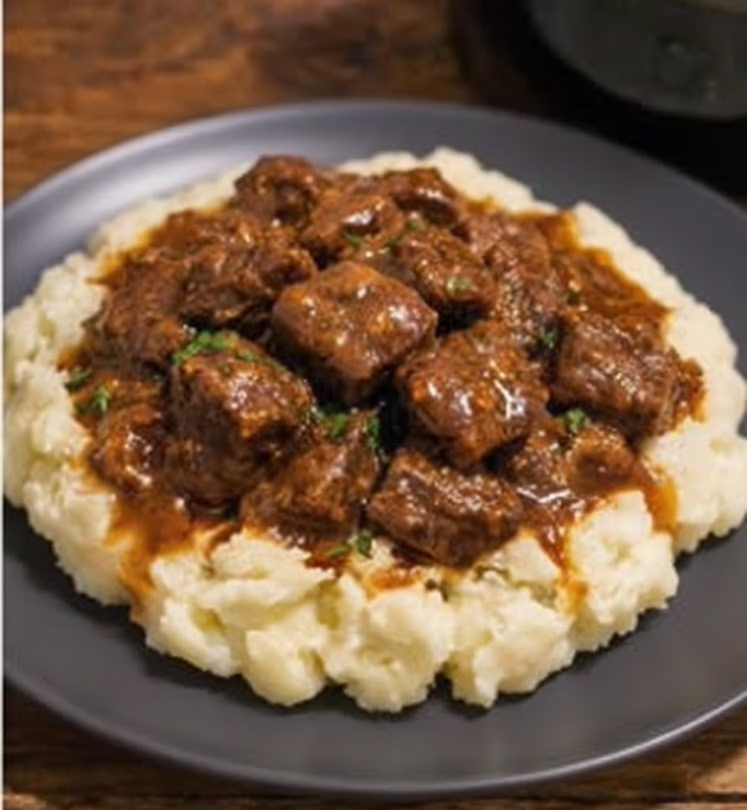
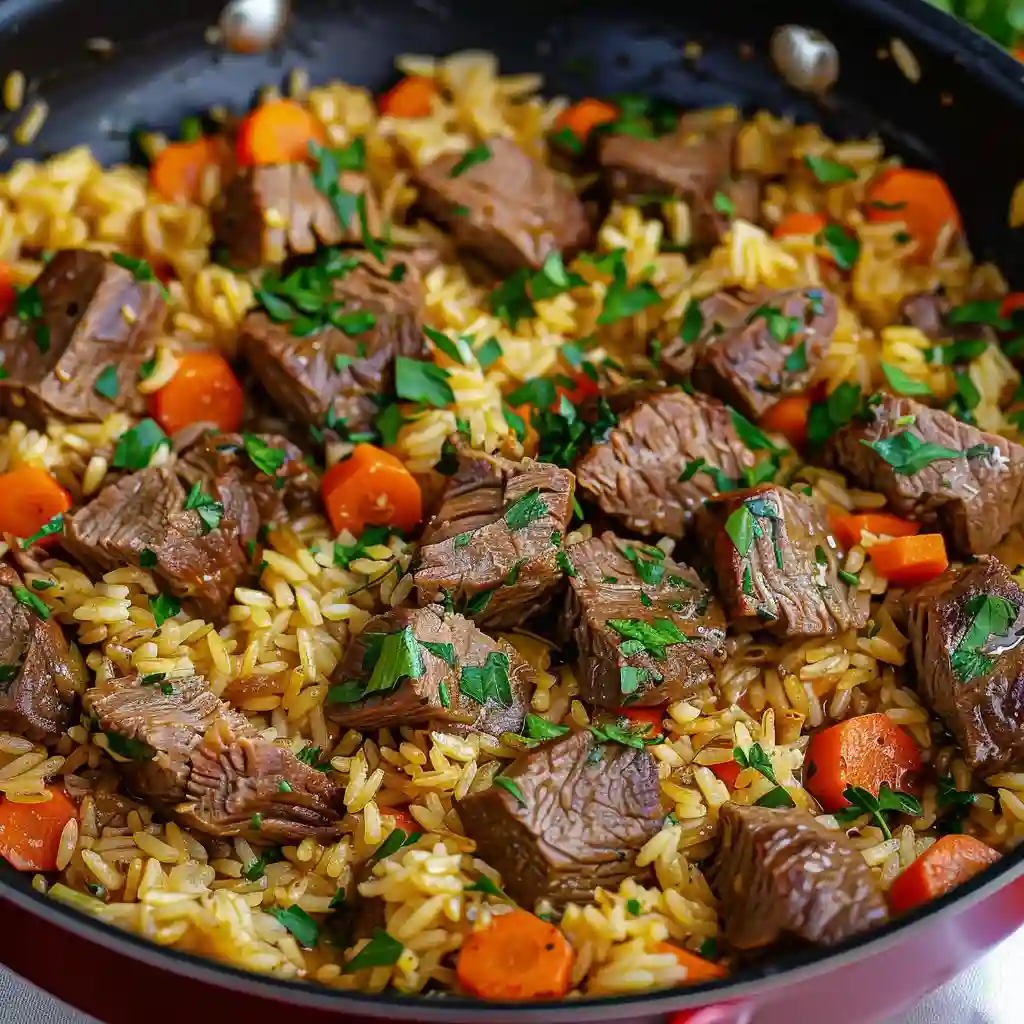
Serve hot with sides like mashed potatoes, egg noodles, rice, or crusty bread for soaking gravy.
Professional Tips for Perfect Results
Choose Well-Marbled Chuck: Visible white fat throughout (marbling) creates tender, flavorful result. Very lean roast becomes dry and tough.
Don’t Skip Onion Layer: Onions prevent sticking, add flavor, and contribute to gravy. Critical component for optimal result.
Pour Broth Around Sides: Pouring around roast preserves soup mix seasoning on top for maximum flavor infusion.
Use LOW Setting When Possible: Eight-ten hours low creates more tender result than high. Plan accordingly for best texture.
Don’t Open Lid During Cooking: Heat loss requires 15-20 minutes recovery. Check only after minimum time elapses.
Cook to 200-205°F Internal: This high temperature converts collagen to gelatin. Standard “done” temps (145°F) leave roast tough.
Rest Before Slicing: Fifteen-minute rest redistributes juices. Immediate cutting causes juice loss creating dry meat.
Slice Against Grain: Cutting perpendicular to muscle fibers creates maximum tenderness. With-grain slicing creates chewy texture.
Troubleshooting Common Issues
Tough Roast After Cooking: Indicates insufficient cooking time or temperature too low. Continue cooking until reaching 200-205°F internal temperature.
Dry Texture: Results from very lean cut or cooking on high too long. Use well-marbled chuck and prefer low setting.
Too Salty: Caused by regular-sodium broth plus soup mix. Use low-sodium broth and reduce or omit additional salt.
Watery Gravy: Indicates excess liquid or insufficient cooking time. Use exact 2 cups broth or simmer gravy uncovered 15 minutes to reduce.
Bland Flavor: Results from low-quality or insufficient soup mix. Use full packet Lipton brand for traditional flavor.
Burnt Bottom: Caused by insufficient liquid or cooking too high. Ensure 2 cups liquid and onion layer prevents direct contact with insert.
Onions Still Crunchy: Indicates slicing too thick or insufficient time. Slice ¼-½ inch thick and cook minimum time for complete softening.
Creative Variations and Adaptations
While the classic onion soup version represents pot roast perfection, this recipe provides foundation for variations:
Italian Style: Replace onion soup with Italian dressing mix, add diced tomatoes and Italian herbs for Mediterranean variation.
Mississippi Pot Roast: Add ranch dressing mix with onion soup, pepperoncini peppers, and butter for viral variation.
Garlic Herb: Use garlic herb soup mix instead, add fresh rosemary and thyme for aromatic version.
Red Wine Braised: Replace 1 cup broth with red wine, add carrots and mushrooms for French-inspired variation.
Barbecue: Mix ½ cup barbecue sauce with broth, omit soup mix for Southern-style pot roast.
Asian-Inspired: Replace soup mix with soy sauce, ginger, and five-spice for fusion variation.
Root Vegetable: Add potatoes, carrots, parsnips, and turnips last 3 hours for complete one-pot meal.
Storage and Meal-Prep Guidelines
Slow Cooker Onion Soup Pot Roast achieves optimal texture when served hot immediately after cooking or reheated within 3-4 days, showcasing perfect balance between tender beef and rich gravy throughout. Store leftover beef and gravy together in airtight container refrigerated for up to 3-4 days—texture remains excellent during storage and flavors intensify. Reheat portions in microwave for 2-3 minutes or in covered pot on stovetop over low heat until warmed through, adding splash of broth if needed to restore moisture. Freeze portions with gravy in freezer-safe containers for up to 3 months—thaw overnight refrigerated and reheat as directed. This makes excellent meal-prep option providing multiple dinners from single cook.
Nutritional Information and Comfort-Food Value
This hearty satisfying pot roast provides complete dinner nutrition with approximately 400-500 calories per serving (without sides), substantial protein from beef (40-50g per serving), moderate fat from marbling, minimal carbohydrates, iron and B vitamins from beef, and rich flavor suitable for Sunday dinners, holiday meals, comfort food cravings, family gatherings, and whenever tender pot roast and hands-off cooking are desired. The chuck roast provides complete protein and iron while slow cooking method requires minimal active time celebrating modern convenience cooking and traditional American pot roast adapted for contemporary busy lifestyles.
Frequently Asked Questions
Q: Do I need to sear the roast first? A: No, slow cooker method achieves tenderness without searing. Skip this step for ultimate convenience and save time.
Q: Can I cook on high for the whole time? A: Yes, 5-6 hours high works but low for 8-10 hours creates more tender result. Use high when time-constrained.
Q: Why is my roast still tough? A: Cook longer until internal temperature reaches 200-205°F. Tough roast needs more time for collagen conversion.
Q: Can I add vegetables? A: Yes, add potatoes and carrots during last 3-4 hours on low (or last 2 hours on high) for proper tenderness without mushiness.
Q: What if I don’t have onion soup mix? A: Mix 3 tablespoons dried minced onion, 2 teaspoons beef bouillon, 1 teaspoon onion powder, ½ teaspoon each garlic powder and salt as substitute.
Q: Can I use different cuts of beef? A: Chuck roast is ideal for its marbling. Brisket works but is leaner. Avoid lean cuts like eye of round which become dry.
Q: How do I thicken the gravy? A: Transfer liquid to saucepan, simmer until reduced, or mix 2 tablespoons cornstarch with 2 tablespoons cold water, stir into liquid, simmer 2 minutes.
Q: Can I make this in an Instant Pot? A: Yes, pressure cook on high for 60-75 minutes with natural release. Slow cooker creates more tender result though.
This Slow Cooker Onion Soup Pot Roast recipe represents the perfect embodiment of hands-off dinner excellence, delivering extraordinary results that transform tough chuck into fork-tender experiences that accommodate busy schedules while maintaining the authentic French onion character and impressive melt-in-your-mouth presentation of genuine pot roast preparation, showcasing fundamental principles of proper low-temperature collagen conversion and strategic onion soup seasoning that make every forkful a celebration of American slow cooker innovation, French onion tradition, and the superior satisfaction that only thoughtful dump-and-go methodology can provide, elevating accessible ingredients into comforting, delicious, dinner-defining perfection that represents the ultimate expression of slow cooker pot roast mastery and contemporary convenience cooking success.
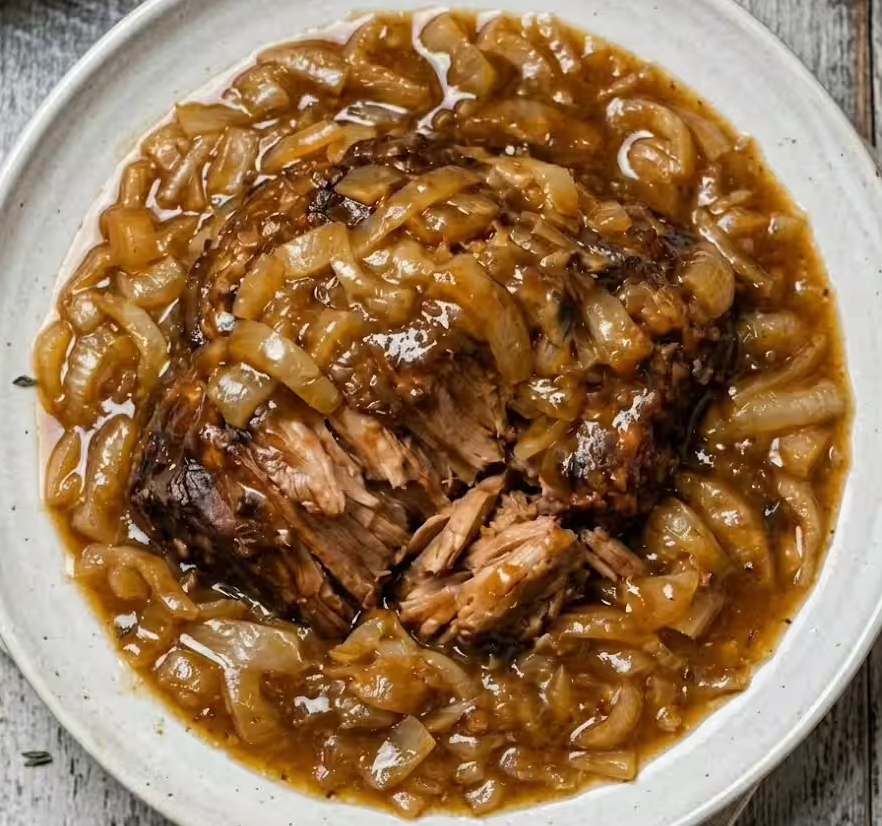
Slow Cooker Onion Soup Pot Roast: The Ultimate Melt-In-Your-Mouth Beef with French Onion Excellence
Ingredients
Method
- Layer: Place the sliced onions evenly at the bottom of a 6-quart slow cooker. Place the chuck roast directly on top of the onions.
- Season: Sprinkle the dry onion soup mix evenly over the top of the roast.
- Liquid: Gently pour the beef broth around the sides of the roast. Tip: Avoid pouring directly over the meat so the seasoning stays on the roast. Add garlic or a bay leaf if using.
- Slow Cook: Cover and cook on LOW for 8–10 hours or HIGH for 5–6 hours. For the most tender results, the long-duration LOW setting is recommended.
- Rest: Once finished, turn off the heat and let the roast rest in the liquid for 15 minutes.
- Serve: Shred or slice the beef. Serve generously topped with the softened onions and the gravy from the pot.
Notes
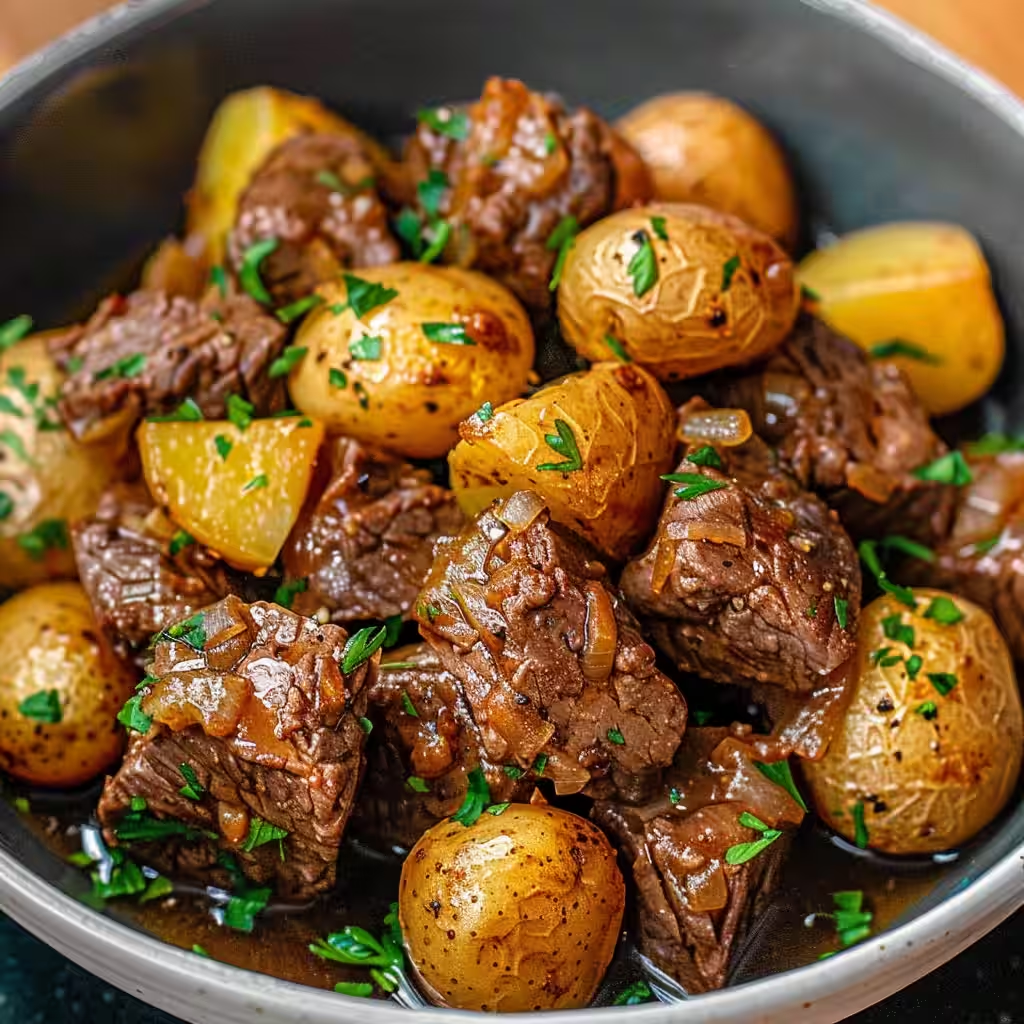
- Veggie Addition: If you want a complete meal, add 1 lb of baby carrots and 1 lb of quartered potatoes on top of the onions before adding the meat.
- Gravy Thickener: If you prefer a thicker gravy, whisk 2 tbsp of cornstarch with 2 tbsp of cold water, stir it into the slow cooker liquid at the end, and cook on High for 15 minutes.
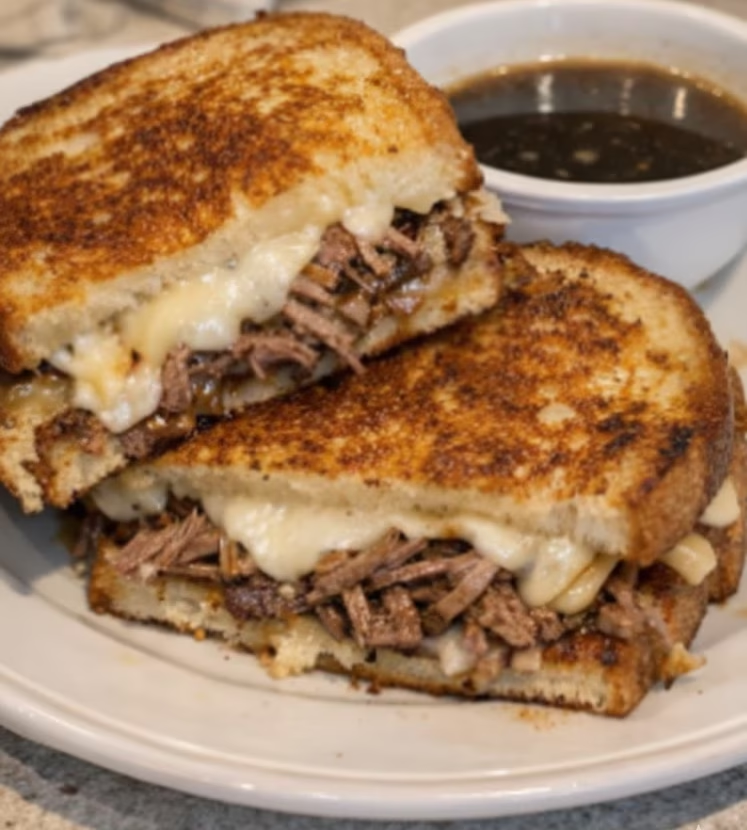
- Leftovers: This beef makes incredible French Dip sandwiches or “shredded beef” tacos the next day!